





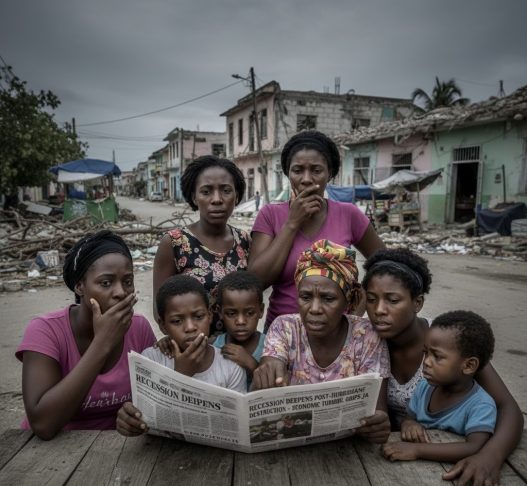
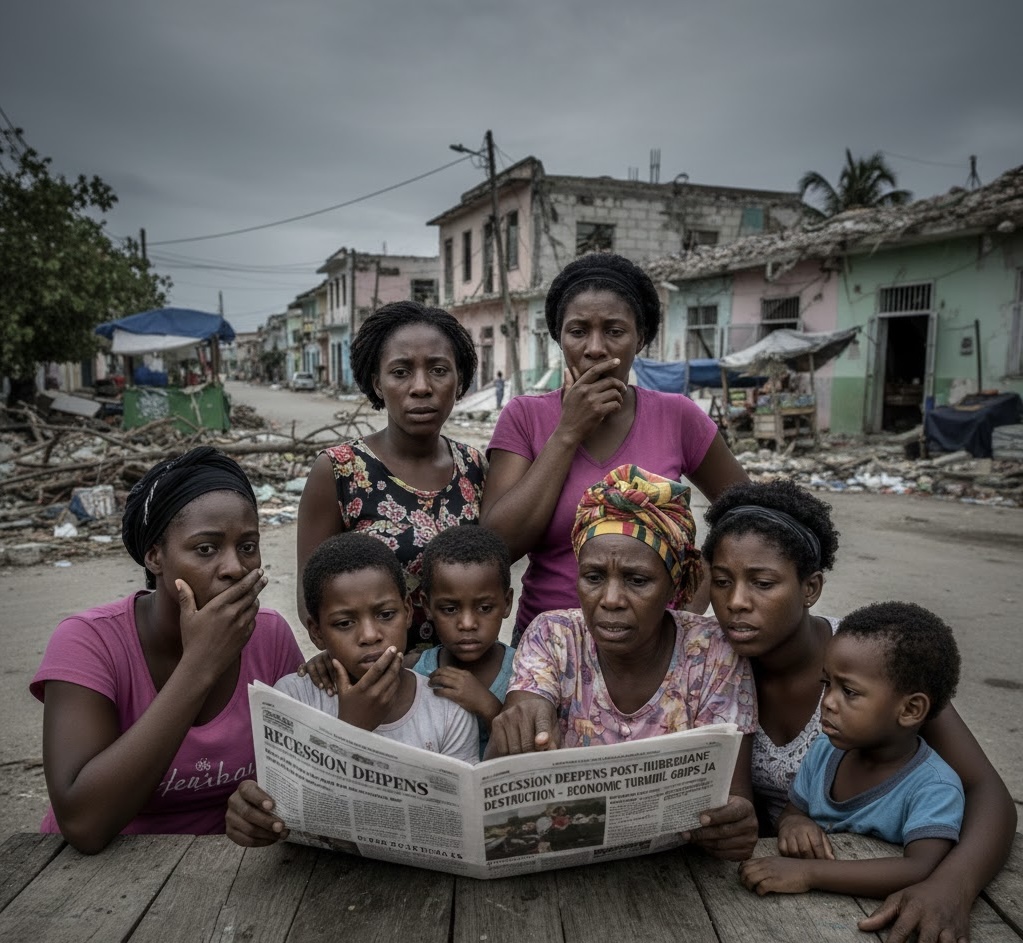
Jamaicans must brace for a protracted recession, with economic recovery not expected until late 2026, the Planning Institute of Jamaica (PIOJ) announced in a grim forecast following the devastation wrought by Hurricane Melissa. The Category 5 storm, which caused an estimated US$8.8 billion in damage, has reversed the country’s positive economic trajectory and is projected to trigger a sharp contraction in the current quarter.
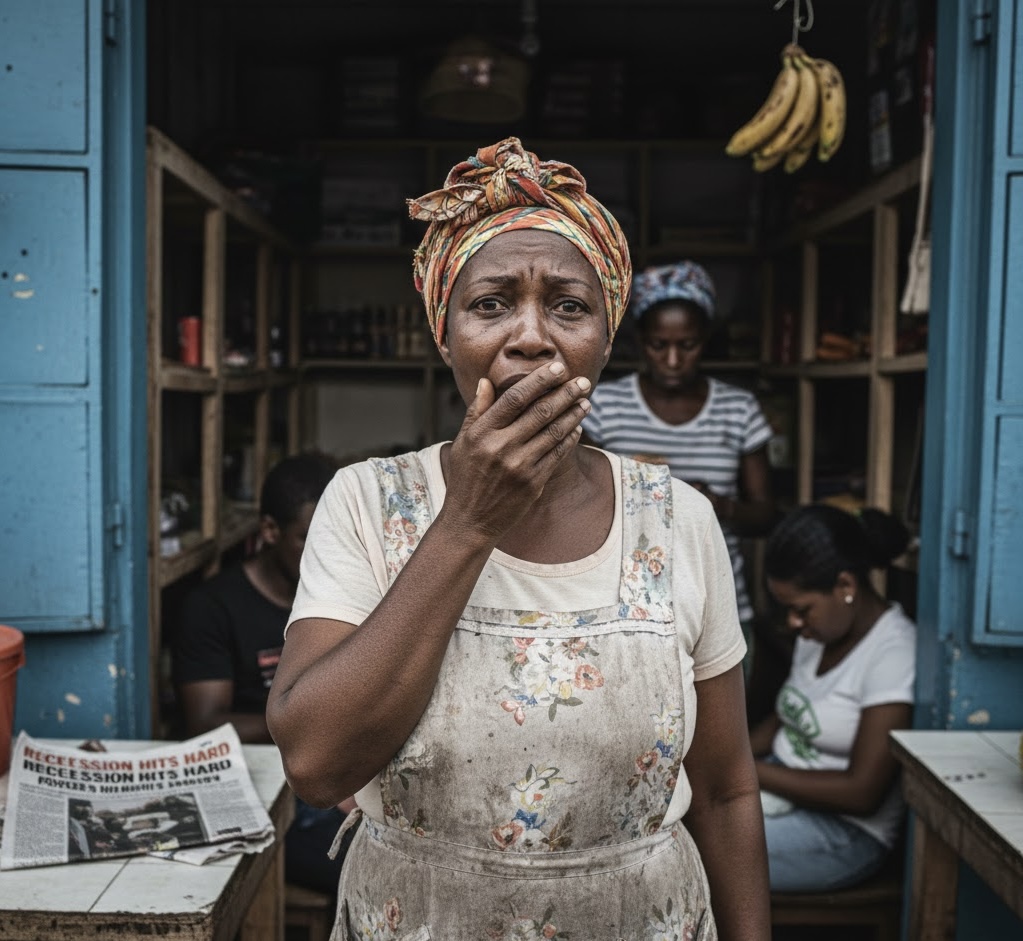
During a press briefing on November 25, 2025, PIOJ Director General Dr. Wayne Henry revealed the severity of the damage, indicating that the short to medium-term economic outlook is now “generally negative”.

This forecast follows a strong performance in the previous quarter, with 4.6 per cent GDP growth driven by agriculture and tourism. However, the hurricane significantly impacted the parishes crucial for these sectors. Dr. Henry noted that the extensive loss of assets will require a prolonged period for rebuilding.
The Bank of Jamaica anticipates inflation will exceed its target range. While Jamaica had pre-disaster measures, including a catastrophe bond, the payout is only a fraction of the total damage. The Development Bank of Jamaica has launched a J$10-billion lifeline for affected businesses. A full damage assessment is expected by mid-December.

Key details from the PIOJ’s warning:
- Economic contraction: The PIOJ forecasts a substantial economic decline of 11-13% for the fourth quarter of 2025.
- Cause of recession: The primary cause is the immense damage from Hurricane Melissa, which is estimated to have caused US$8.8 billion in damage.
- Expected impact: The recession is expected to lead to increased unemployment and weakened demand. Industries like agriculture, tourism, and construction are predicted to be among the most affected.
- Recovery timeline: Full recovery to pre-hurricane levels is conservatively projected to take three to five years, a longer period than the two years it took to recover from the COVID-19 pandemic.
- Opportunity for rebuilding: The PIOJ is also highlighting that this crisis presents an opportunity to rebuild in a more resilient and sustainable way.