






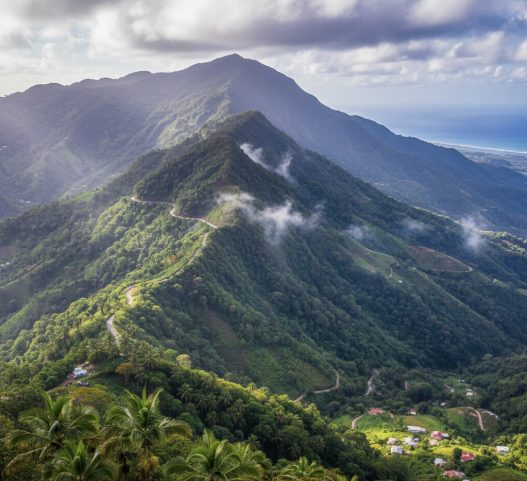
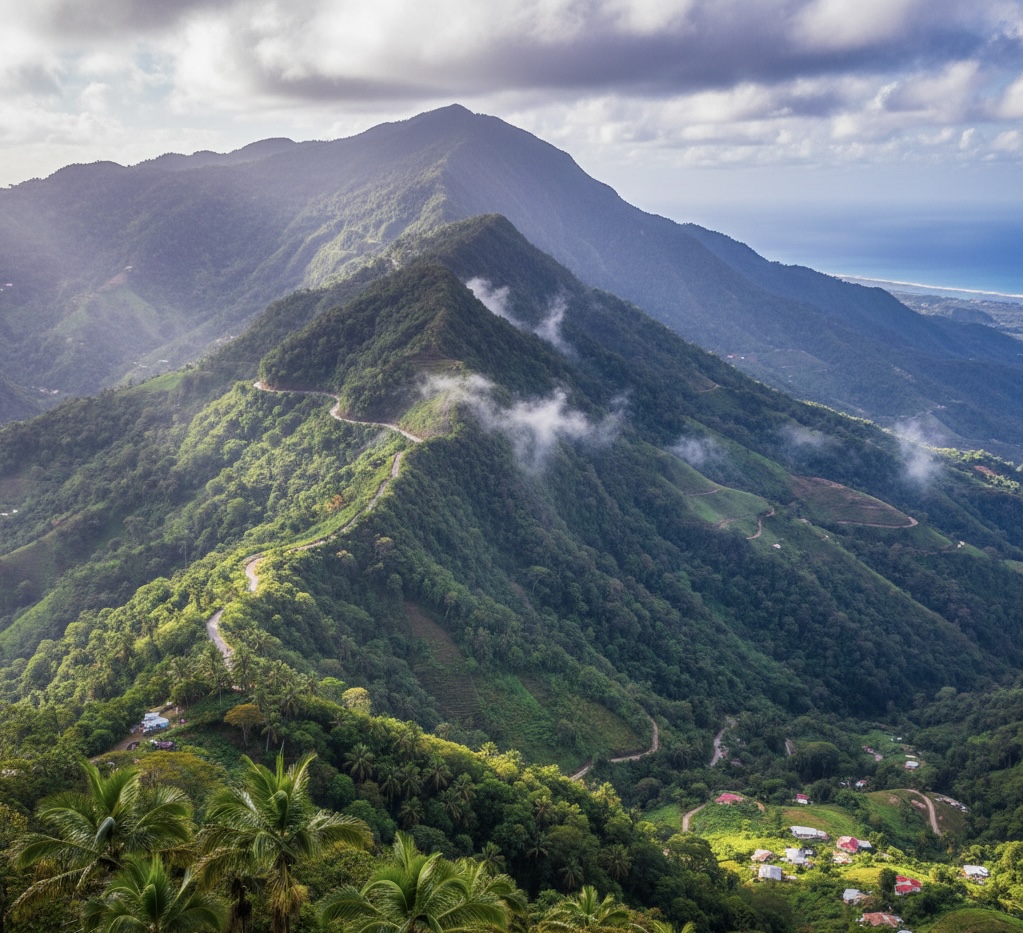
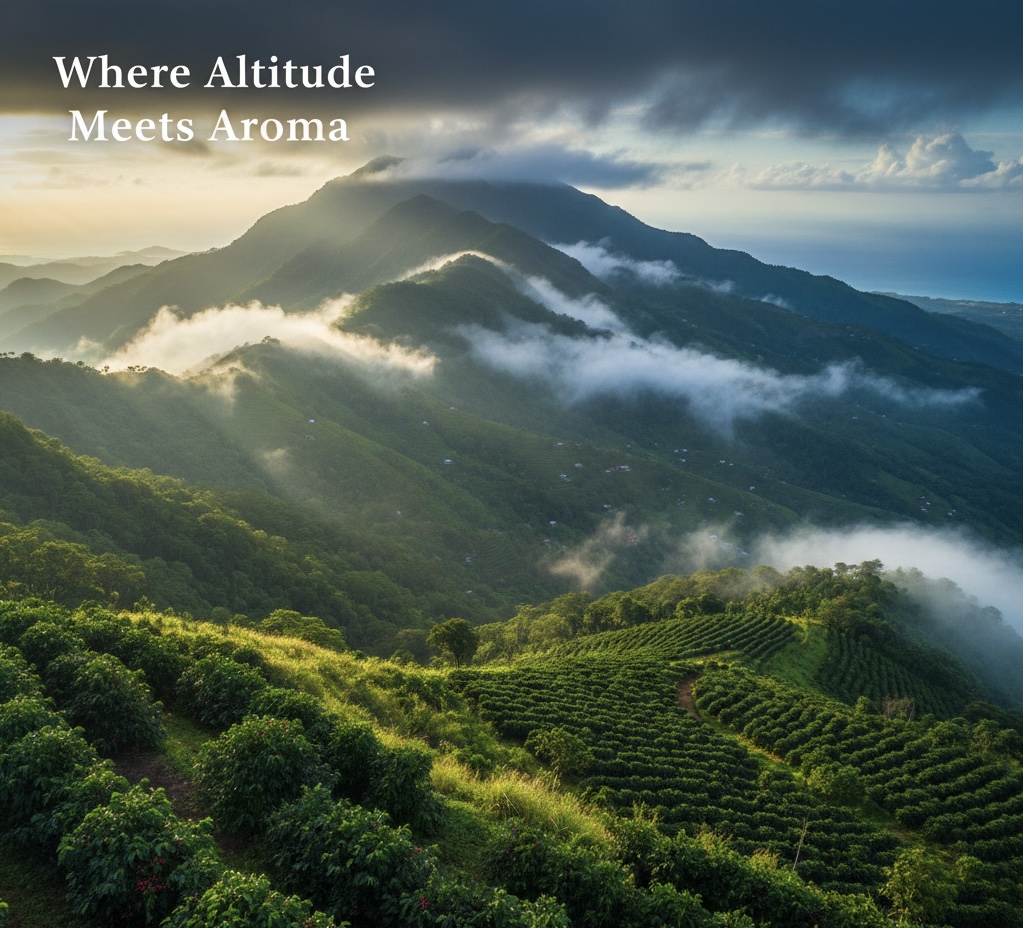
Rising majestically to 7,402 feet above the sparkling Caribbean, Blue Mountain Peak stands as Jamaica’s highest point, a verdant sentinel dominating the eastern landscape. The characteristic greenish-blue hue of the peaks and the surrounding Blue Mountains, constantly veiled in mist and lush vegetation, hints at the unique conditions within. It is in this ethereal realm, within a legally protected area designated by the Jamaican government, that the world’s most renowned single-origin coffee flourishes.

History and Culture
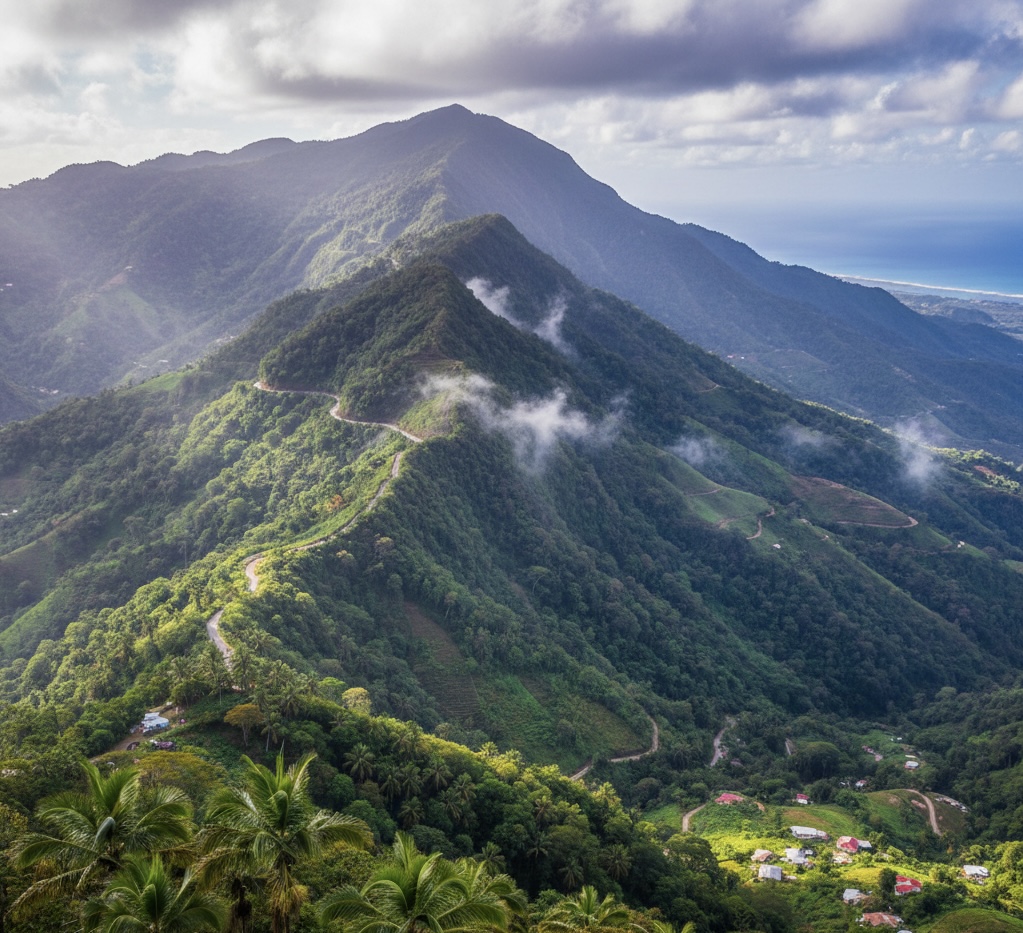
- UNESCO World Heritage: In 2015, the Blue and John Crow Mountains were designated a UNESCO World Heritage site for both natural and cultural significance.
- Maroon Refuge: The rugged terrain served as a critical refuge for Maroons (formerly enslaved Africans) and indigenous Tainos, who used the landscape to maintain independence and wage guerrilla warfare against colonial forces.
- Modern Communities: Contemporary Maroon communities like Moore Town and Charles Town still reside in the region, preserving distinct languages, music, and traditions.
Biodiversity and Nature
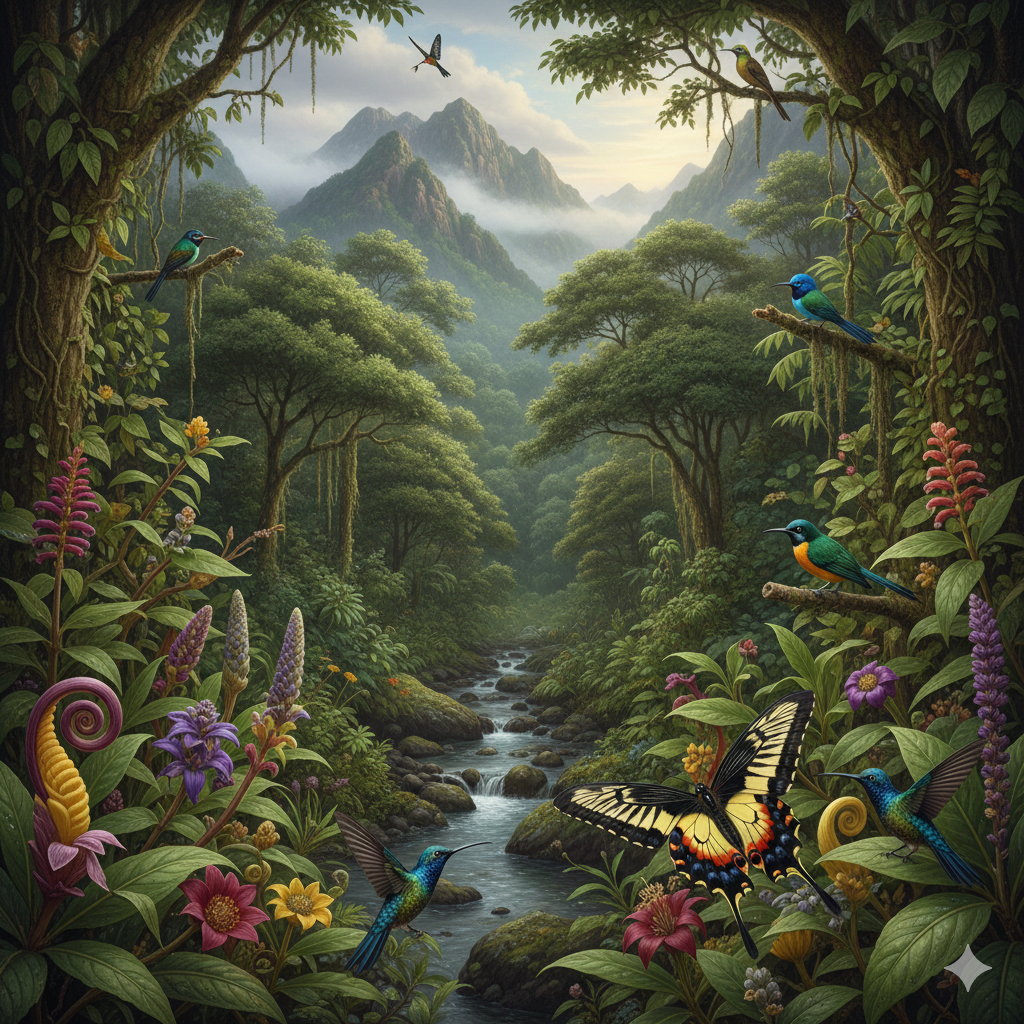
- Endemic Species: The range is a biodiversity hotspot; over 50% of its flowering plants and approximately 30–40% of species are found nowhere else on Earth.
- Giant Butterflies: It is one of the last two remaining habitats for the Homerus swallowtail, the largest butterfly in the Western Hemisphere.
- Birdlife: The mountains are home to all of Jamaica’s endemic bird species, including the national bird, the Doctor Bird (streamertail hummingbird).
Recreation
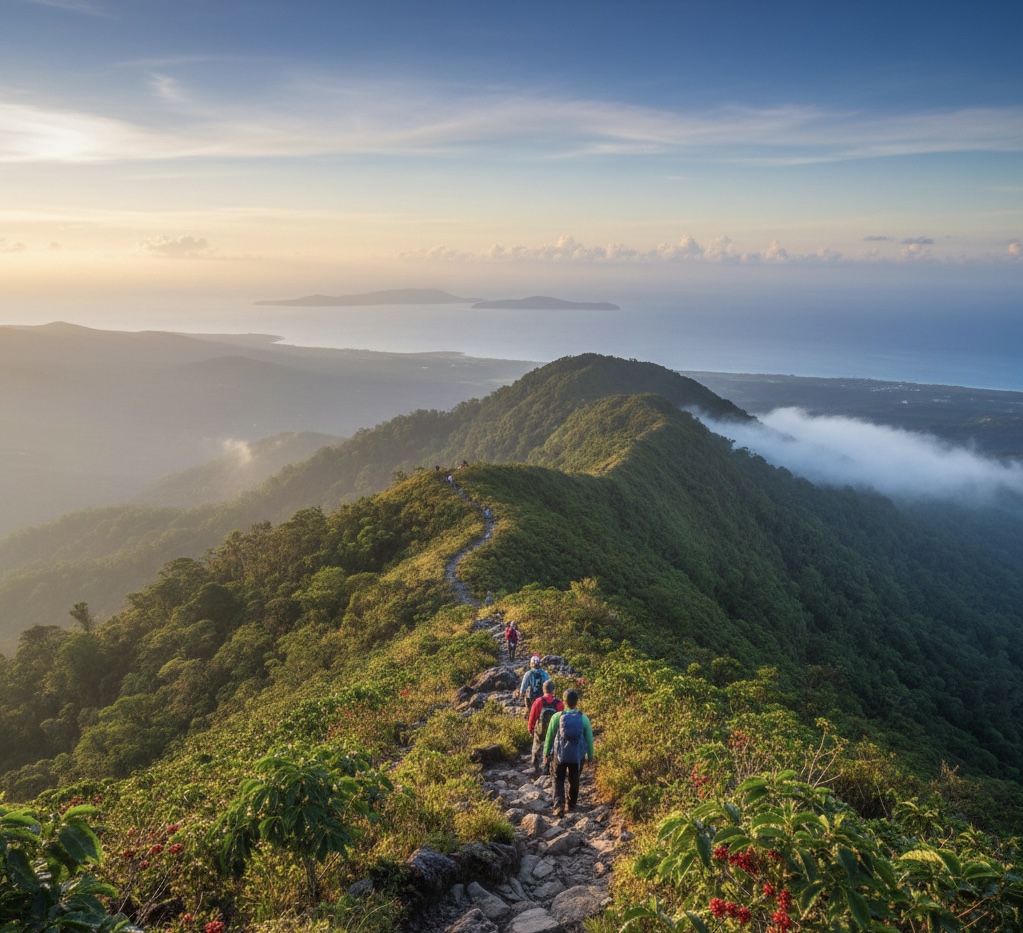
- Sunrise Hike: The most popular trek is the 7-mile hike to Blue Mountain Peak, which usually begins around 2:00 AM to reach the summit by sunrise.
- Cuba Sightings: On exceptionally clear days, hikers at the summit can see the outline of Cuba, approximately 130 miles (210 km) to the north.
- Hiking Hubs: Holywell National Park and Strawberry Hill are popular destinations for cooler mountain air and panoramic views of Kingston.
In the world of fine wines, the concept of “terroir” – the unique environmental factors affecting a crop’s taste – is paramount. Yet, for many coffee drinkers, the origin story of their brew remains a mystery, largely due to the prevalence of commodity-grade coffee blends. However, those fortunate enough to have savored authentic Jamaican Blue Mountain coffee understand that origin makes an undeniable difference.

So what elevates Jamaica Blue Mountain coffee to such a celebrated status? While numerous factors contribute, ensuring authenticity is key. All 100% Jamaica Blue Mountain Coffee destined for export is meticulously vetted by the Coffee Industry Board of Jamaica. This body guarantees that every bean labeled “Jamaica Blue Mountain coffee” genuinely originates from its legally designated growing area. Their experienced professionals painstakingly inspect each barrel, assessing bean size and color. Further, samples are roasted and “cupped” by seasoned tasters, ensuring proper processing and the distinct aroma and flavor profile that defines this exquisite coffee.
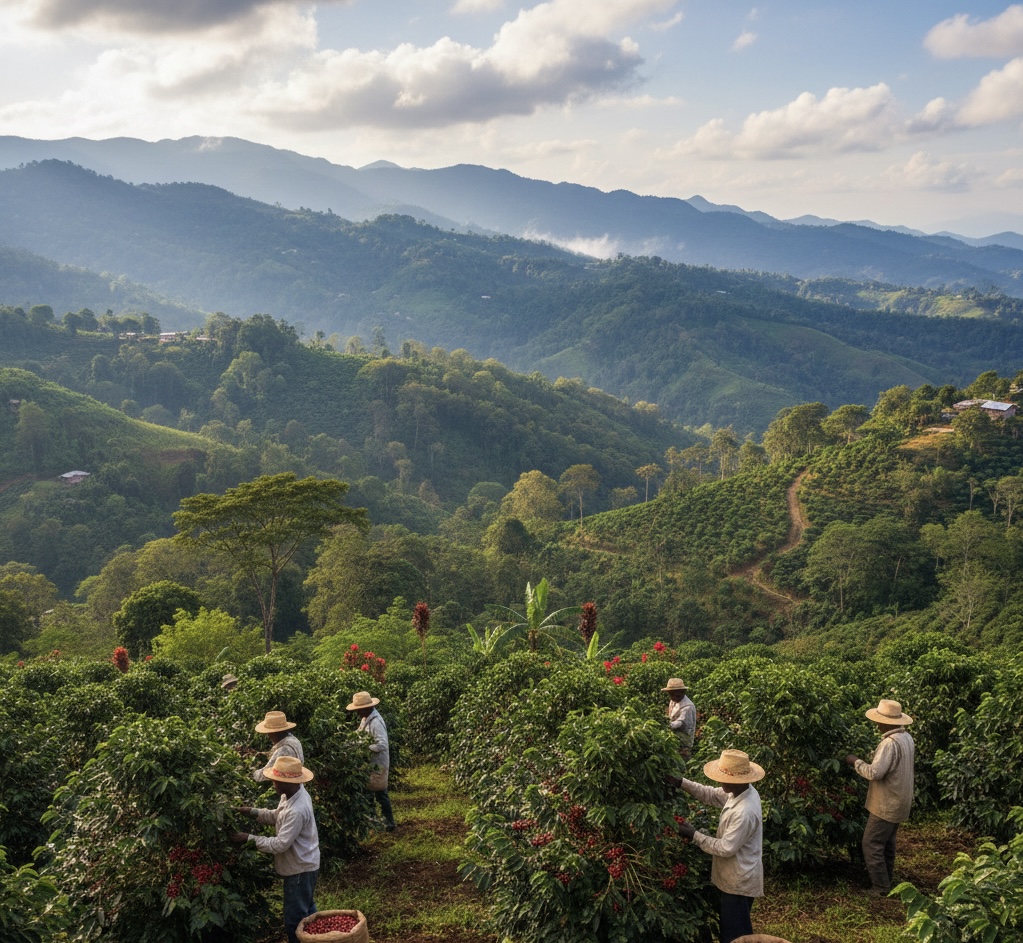
However, it is the unique synergy of location and microclimate that truly makes this coffee exceptional. The designated Blue Mountain growing region is nestled high in the mountains, an environment where 85% of the land is covered by dense forest, providing the essential shade for coffee cultivation. This combination of altitude, forest cover, and climate creates the ideal conditions for cultivating what many consider the world’s finest coffee.
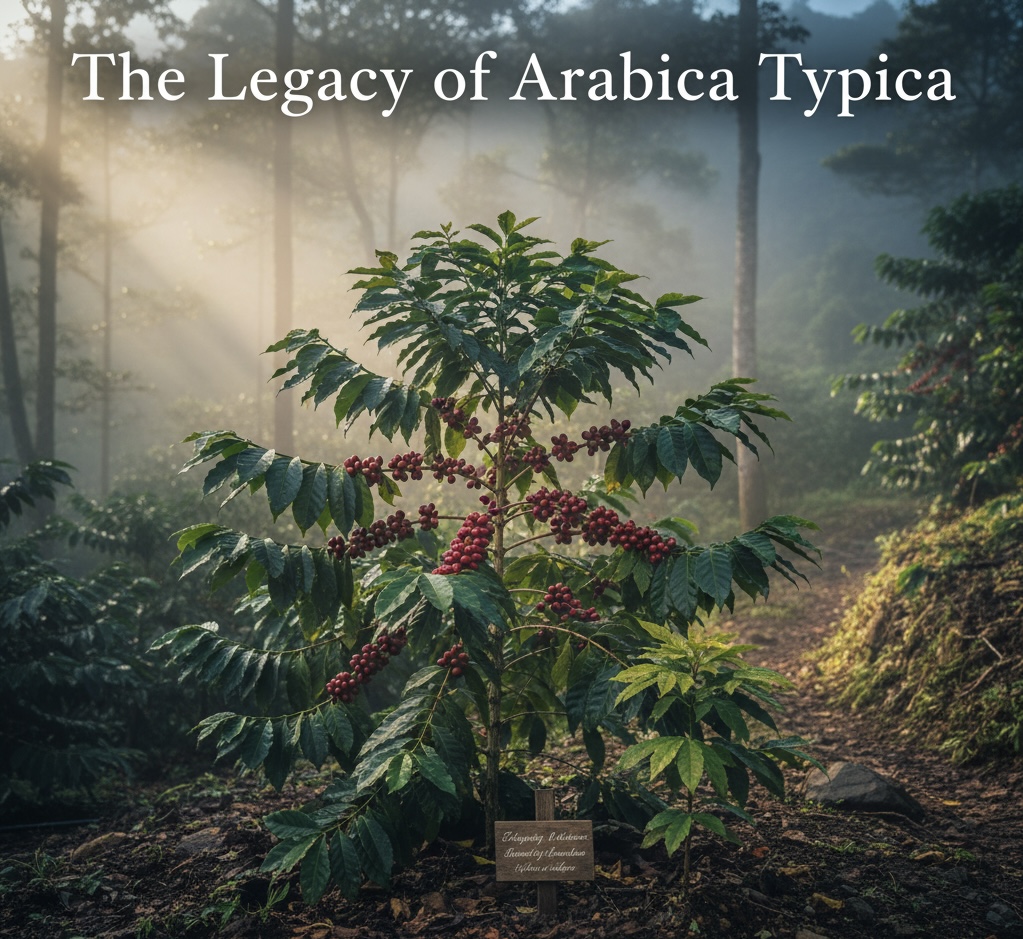
All Jamaica Blue Mountain coffee originates from the Arabica species, predominantly from the Arabica Typica subspecies. Many of these coffee trees are direct descendants of those first imported from Martinique by Governor Lawes in 1728, marking coffee’s initial introduction to the Caribbean. While some planters are beginning to experiment with new varietals, Arabica Typica remains by far the most widely planted coffee tree in the region.
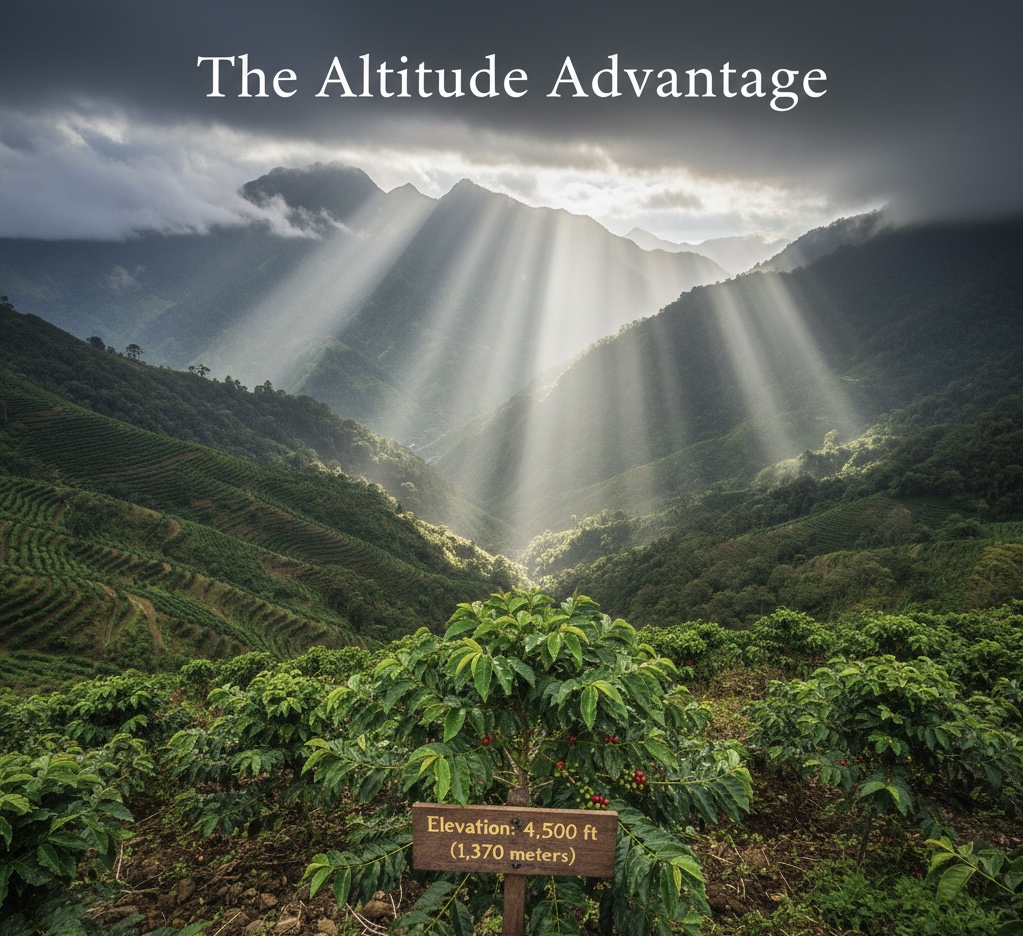
Elevation plays a critical role in certification. To be recognized as Jamaica Blue Mountain coffee, it must be cultivated at an elevation between 1,000 and 5,500 feet (with the highest elevations now designated as national forests). It is a well-established fact that higher altitudes significantly enhance coffee quality, yielding a denser bean that translates into a richer, more profound cup of coffee.
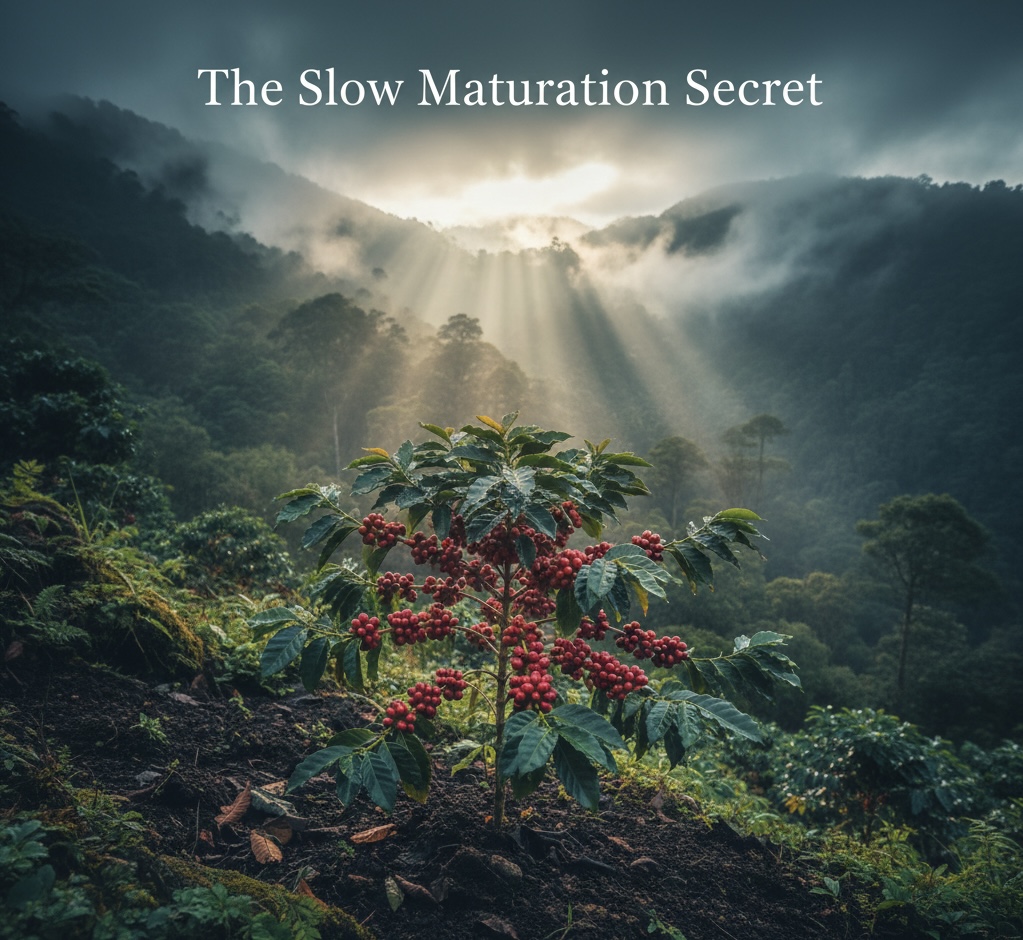
The climate in the Jamaica Blue Mountains is notably cooler than the rest of the island. Situated on Jamaica’s eastern flank, these mountains are exposed to the moisture-laden North East Trade Winds. As these winds encounter the coast and rise into the higher elevations, they generate significant cloud cover and mist, a consequence of hitting the cooler mountain air. This reduced sunlight, due to persistent cloud cover, slows down the development of the coffee cherry. This extended maturation period profoundly enhances the aroma and taste of the coffee produced from these trees.
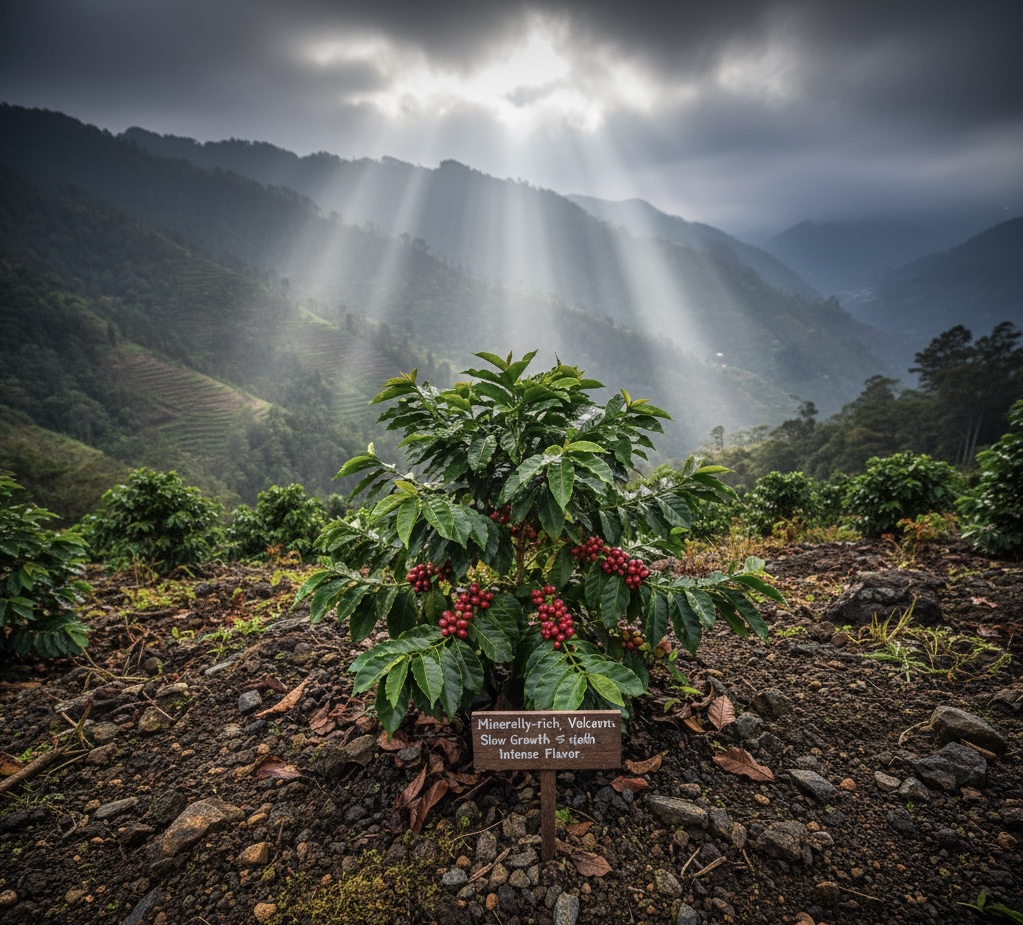
While Jamaica boasts some of the Caribbean’s richest and most productive soil, the Blue Mountains present a different story. The soil here, derived from both metamorphic and igneous rocks, is quite porous and prone to leaching, resulting in low levels of many essential nutrients, particularly phosphorus and nitrogen. Consequently, the coffee trees grow slowly, and production is lower than in other coffee-producing regions of Jamaica and the world. The precise factors within the soil that contribute to the exceptional taste of Jamaica Blue Mountain coffee remain a subject of ongoing study, but it is theorized that a certain amount of stress may contribute to superior coffee, much like the best wines often emerge from vines grown in challenging conditions.
All these intricate factors converge to create a truly rich, smooth, and exceptionally well-balanced cup of coffee, generally characterized by its low acidity. However, just as with fine wines, nuances exist between different Jamaica Blue Mountain coffee producers.
At Country Traders, we are committed to sourcing only the highest quality coffee from small farmers across the Blue Mountains. Our focus is on farms that adhere to best practices and are situated above 3000 feet in the central Blue Mountain areas. These cooler, higher regions promote the slow growth of the bean, allowing it ample time to develop a deeper, more intense flavor.
As a family-run business, our reputation is built on meticulous attention to every stage of the coffee’s journey – from purchasing and cupping to roasting, packaging, and delivery. This dedication allows us to confidently stand behind our esteemed brands:
• ‘Coffee Roasters of Jamaica’ – for our exquisite Jamaica Blue Mountain roasted coffee
• ‘Country Traders limited’ – for our premium Jamaica Blue Mountain green beans