







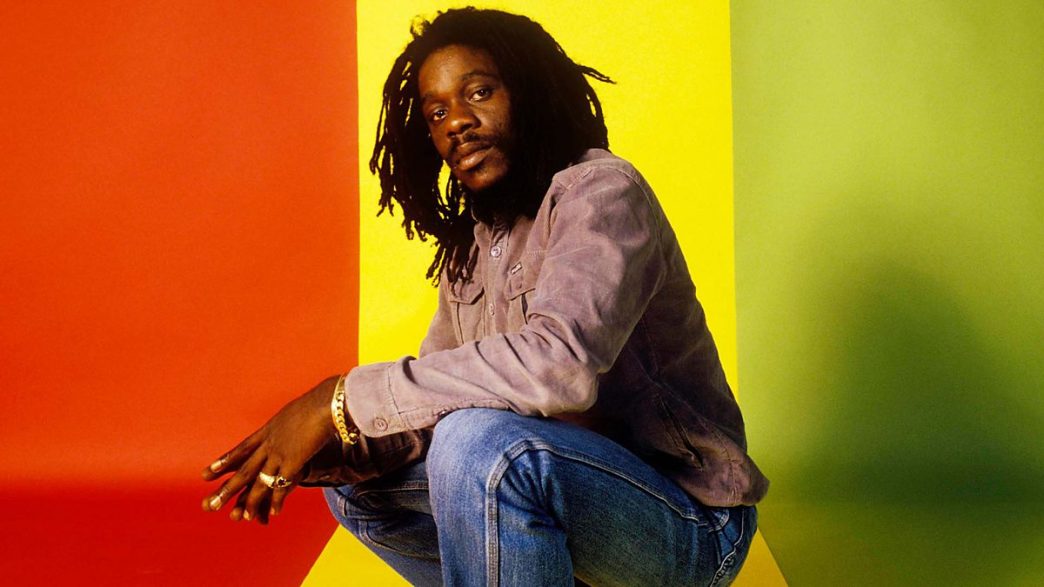
Early Life and the Dawn of a Legend
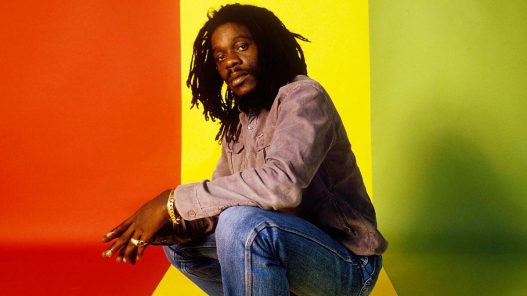
Born on February 1, 1957, in Kingston, Jamaica, Dennis Brown’s musical journey began at a remarkably young age. He grew up in a vibrant musical environment, heavily influenced by American R&B and the burgeoning Jamaican ska and rocksteady scenes. By the age of nine, he was already performing in local clubs, showcasing a vocal maturity far beyond his years. His official recording career kicked off at just twelve years old with the single “No Man is an Island” for producer Derrick Harriott in 1969. This early start immediately announced the arrival of a prodigious talent.
The Rise to Stardom in the 1970s
The 1970s saw Dennis Brown rapidly ascend to reggae superstardom. He recorded for a string of prominent producers, including Clement “Coxsone” Dodd at Studio One, Joe Gibbs, and Winston “Niney” Holness. His collaborations with Niney Holness yielded some of his most iconic tracks, such as “Wolf and Leopard” and “Cassandra,” solidifying his reputation as a conscious and soulful vocalist.
During this decade, Brown’s unique vocal style—a blend of raw emotion and melodic sophistication—became a blueprint for future reggae singers. He effortlessly navigated themes of love, spirituality, social commentary, and Rastafarianism, connecting deeply with a diverse audience. His live performances were legendary, marked by his charismatic stage presence and powerful delivery.
International Acclaim and Enduring Hits
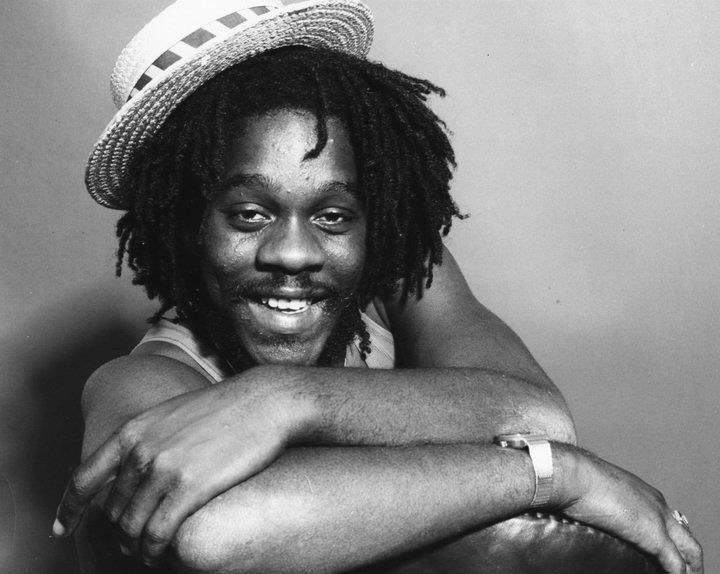
By the late 1970s and into the 1980s, Dennis Brown had firmly established himself as an international reggae icon. His album Visions of Dennis Brown (1978) is often cited as a masterpiece, featuring classics like “Milk and Honey” and “Ain’t No Love in the Heart of the City.” He signed with A&M Records, a major international label, which further broadened his reach.
Throughout his career, Brown released an astonishing number of albums and singles, consistently delivering hit songs. Tracks like “Money in My Pocket,” “Love Has Found Its Way,” and “Revolution” became anthems, showcasing his versatility across lovers rock, roots reggae, and more dancehall-influenced styles. His smooth vocal delivery earned him legions of fans globally, influencing countless artists across various genres.
Challenges and Triumphs
Despite his immense success, Dennis Brown faced personal challenges, including struggles with addiction. However, his dedication to music remained unwavering. He continued to record and perform tirelessly, consistently delivering high-quality material. His resilience and commitment to his craft further endeared him to his fans.
Brown’s ability to adapt to changing musical landscapes while maintaining his signature sound was remarkable. He embraced new rhythms and production techniques, ensuring his music remained fresh and relevant throughout the decades.
A Lasting Legacy
Dennis Brown’s untimely passing on July 1, 1999, at the age of 42, left a profound void in the reggae world. However, his legacy continues to thrive. He recorded over 75 albums and hundreds of singles, leaving behind an unparalleled catalog of music that remains a cornerstone of reggae.
Today, Dennis Brown is remembered as one of reggae’s most influential and beloved figures. His impact is evident in the countless artists who cite him as an inspiration, from contemporary reggae stars to artists in other genres who have sampled his work. His music continues to be played on radio stations worldwide, streamed millions of times, and celebrated at festivals and concerts.
He was posthumously awarded the Order of Distinction in the rank of Commander (CD) by the Jamaican government in 2004 for his contribution to the country’s music. Dennis Brown’s voice, message, and enduring spirit truly cemented his place as “The Crown Prince of Reggae,” a title he earned through his extraordinary talent and unwavering dedication to his art.