





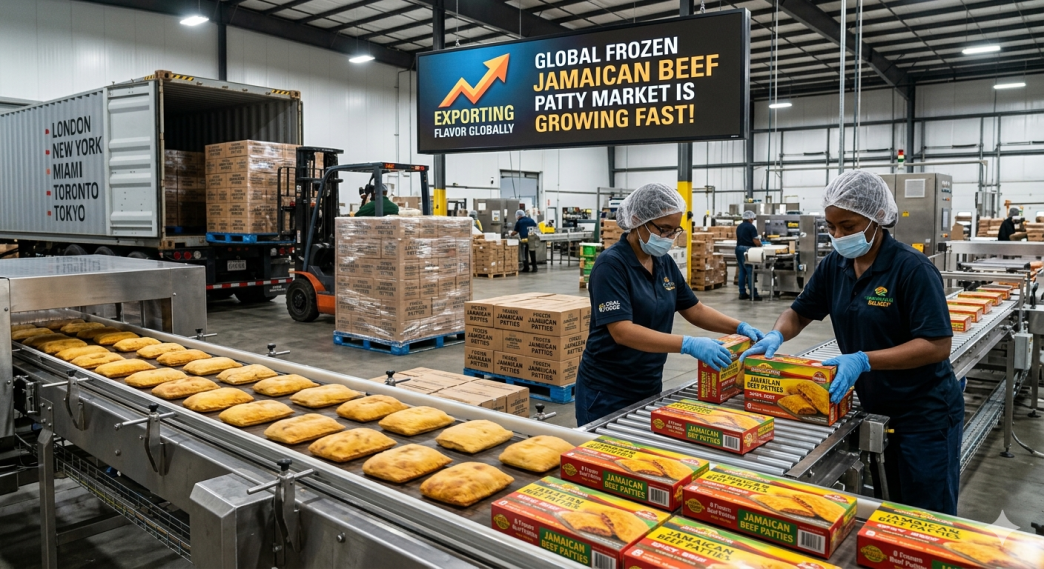
The Jamaican beef patty is a masterpiece of portable engineering: a flaky, turmeric-stained crust housing a molten core of scotch-bonnet-spiced beef. It is the undisputed king of Caribbean street food, a staple of school lunches, and a cultural ambassador that has traveled from the street corners of Kingston to the freezer aisles of London and Toronto.
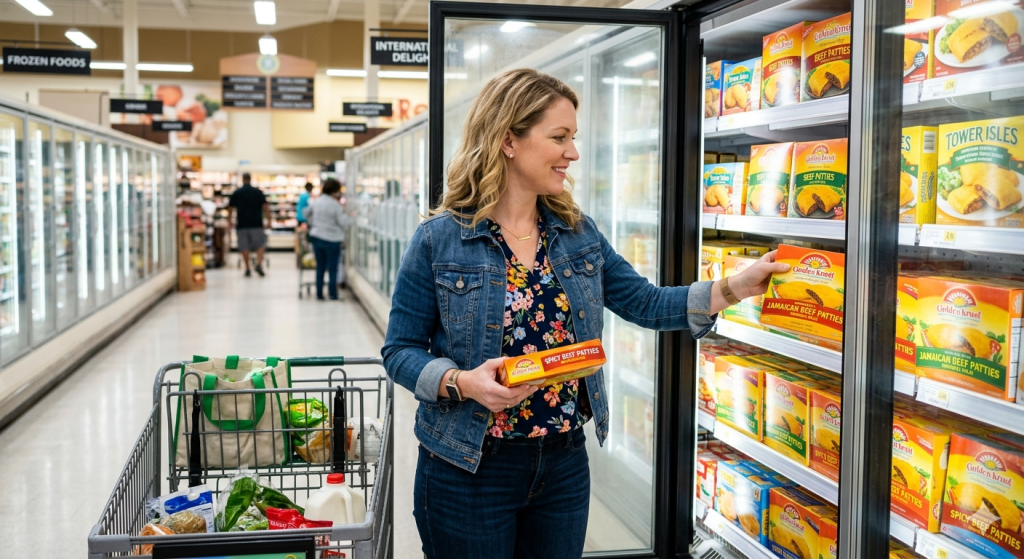
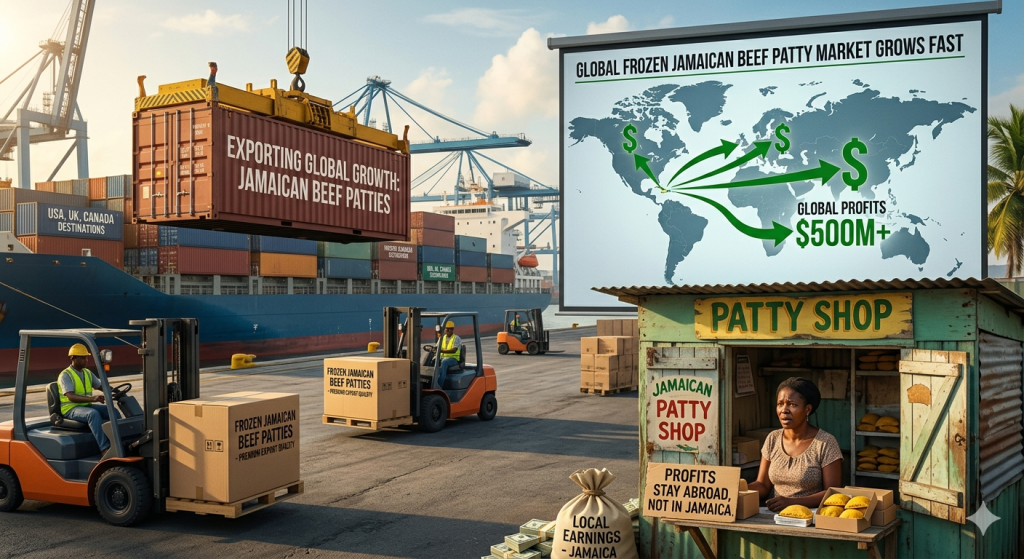
However, a closer look at the numbers reveals a stark economic reality. While the global market for frozen Jamaican patties is currently valued at US$384.2 million and projected to hit US$712.8 million by 2033, the vast majority of these profits never reach Jamaican shores. The “Patty Paradox” is simple: the flavor went global, but the ownership did not.
The Value Chain Gap
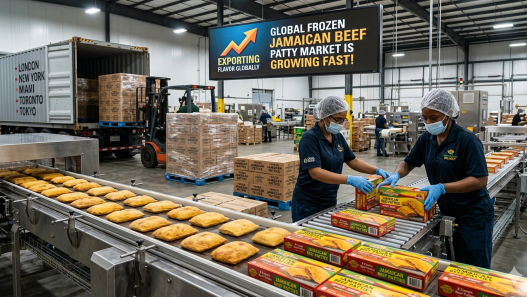
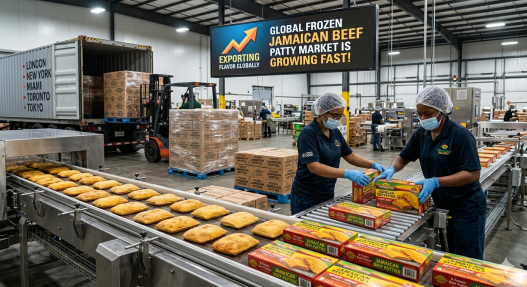
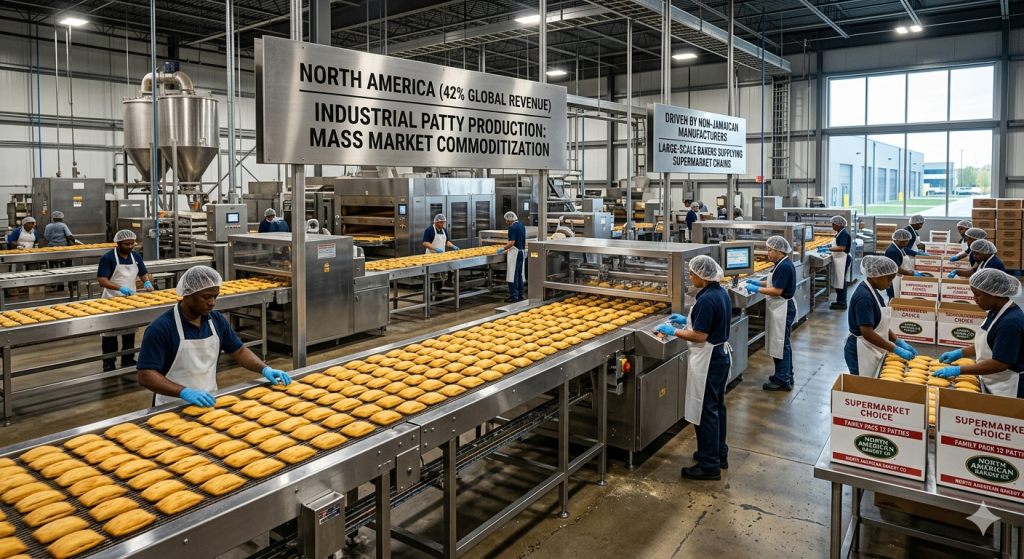
The growth of the patty market is being driven primarily by non-Jamaican manufacturers. In North America—which accounts for 42% of global revenue—large-scale industrial bakers have successfully commoditized the patty for supermarket chains.
Compare this to Grace Foods, Jamaica’s food giant, which exports 3 million jars of jerk seasoning annually. While impressive, it highlights a structural disadvantage: it is far easier and more profitable to export a shelf-stable jar of seasoning than it is to ship heavy, frozen dough across oceans. Consequently, the manufacturing—and the lion’s share of the profit—stays with firms in the U.S., Canada, and the UK that have the existing cold-chain infrastructure.
The “Patty Wars” and the Fight for Identity
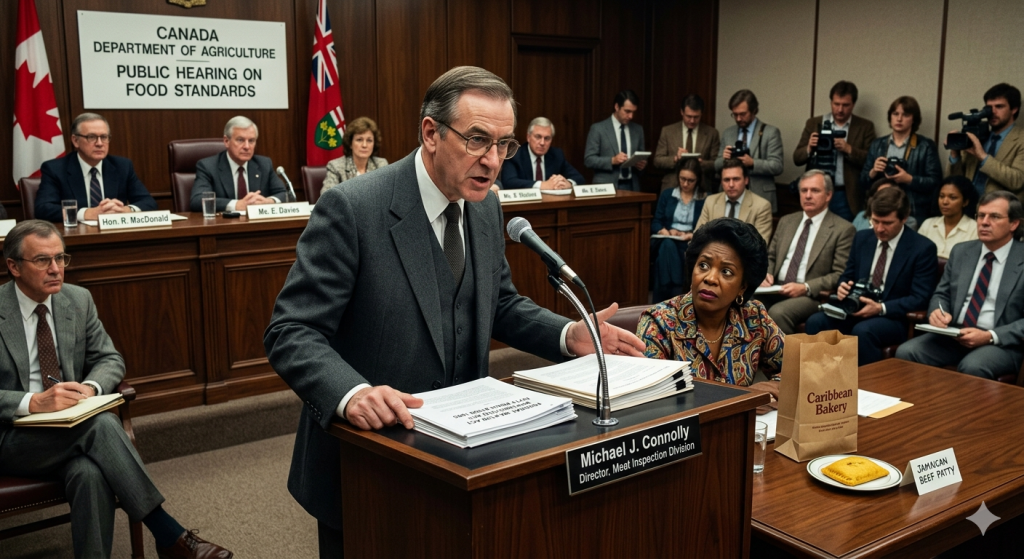
This isn’t the first time the patty has faced external pressure. In 1985, Canada famously attempted to ban the name “beef patty,” arguing that according to the Federal Meat Inspection Act, a “patty” could only be a flat disc of ground meat without flour or fillers.
The resulting “Patty Wars” saw Jamaican bakers like Michael Davidson of Kensington Patty Palacesuccessfully resist the government, eventually winning the right to keep the name. While a victory for cultural identity, it did little to address the long-term economic leakage.
Can a “Geographical Indication” Save the Profit?
To reclaim the value of its brand, Jamaica has begun looking at Geographical Indications (GI)—the same legal protection that ensures “Champagne” must come from France and “Tequila” from Mexico.
- Current Protections: Jamaica successfully registered “Jamaica Jerk” as a GI in 2015, requiring that products using the name meet specific quality standards and use ingredients grown and processed in Jamaica.
- The Potential for Patties: Implementing a GI for the “Jamaican Patty” would legally prevent manufacturers from using the name unless the product adheres to traditional Jamaican recipes or uses certified Jamaican ingredients.
- Economic Impact: Studies by the FAO show that GI-protected products often command prices 20% to 50% higher than their generic counterparts.
A New Era of Export
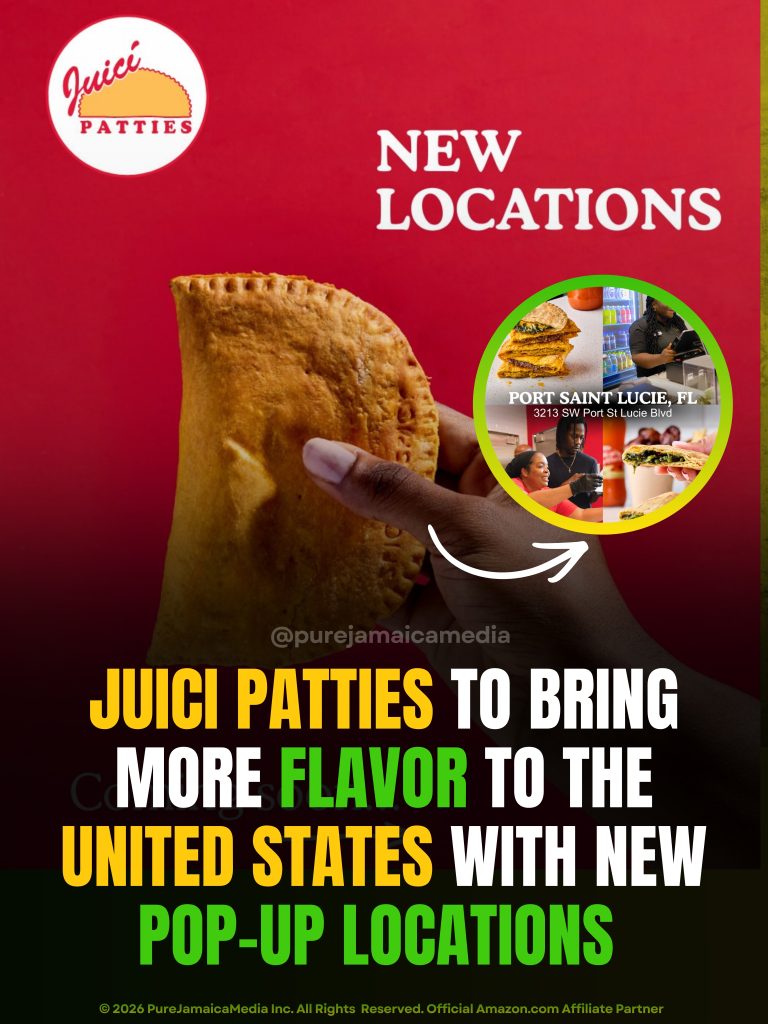
There is hope on the horizon as local giants begin to fight back. Juici Patties, Jamaica’s largest fast-food chain, recently signed franchise agreements to open stores across New York. By moving from exporting goods to exporting the business model itself, Jamaican firms are attempting to capture the value that was previously lost to foreign middlemen.
The global appetite for the patty is undeniable. The challenge for the next decade is ensuring that when someone bites into that golden crust in Tokyo or New York, the profit finds its way back to the kitchens of Clarendon and Kingston.