





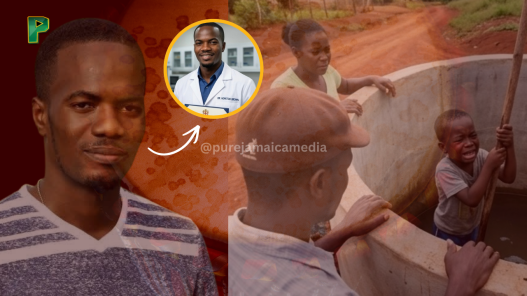
In the heart of Craig Head District, Manchester, I’m known as Dally, the boy left behind by his mother when I was just a few weeks old. She vanished into thin air, leaving me with my grandmother, who clung to hope that she’d return until her last breath. My only possession of her are a faded black-and-white photo and an old passport, reminders of a love that never fully blossomed.
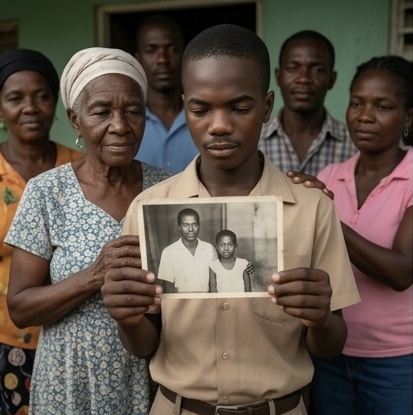
My life was a tapestry woven with the threads of family—my two older siblings, four cousins, my grandmother, and an uncle all shared the modest home. Granma worked tirelessly as a farmer, bringing in what little she could while an aunt in Kingston occasionally assisted. We were a close-knit unit, bound by love and the struggles we faced together.

But tragedy struck when I was four. One Sunday evening, after picking up dinner from my uncle’s house, I walked home with my cousin and a sibling. A man teaching a woman to drive lost control of the car, and in an instant, my world changed. I remember the excruciating pain and the terrifying darkness as I lay beneath the vehicle, yet in that moment of fear, I sensed a presence, an inexplicable comfort.
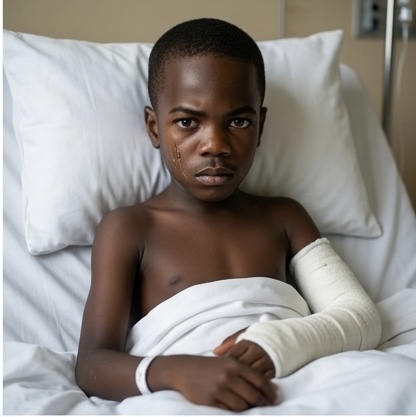
Months in the hospital followed, where I crawled back to health, returning to my little blue crib. Granma’s love surrounded me, with community members stepping in to care for me while she worked. But as I healed, my father re-entered my life, and instead of providing support to Granma, he took me away.
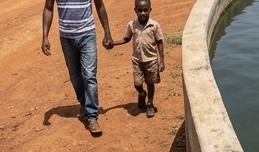
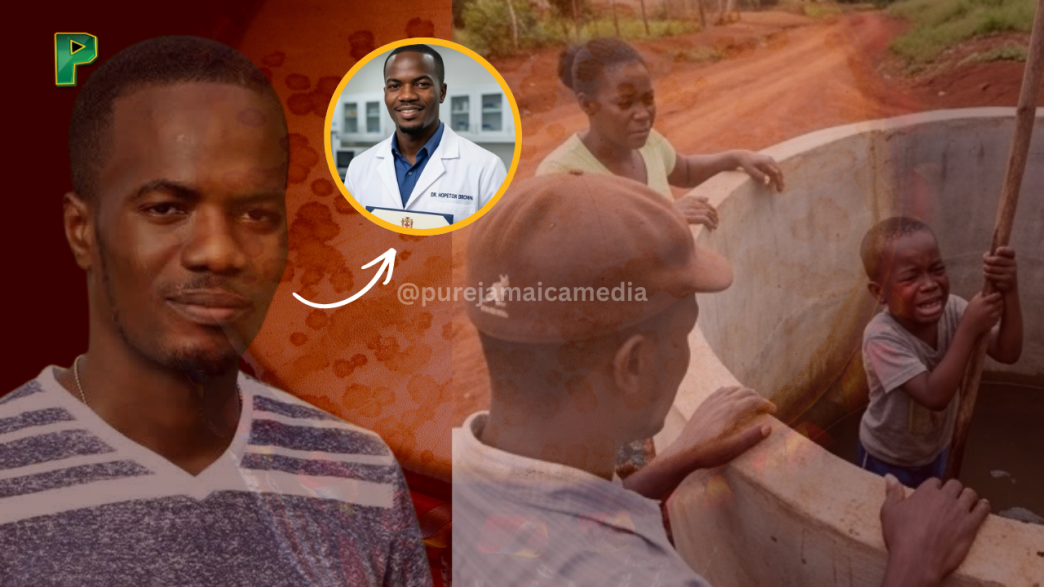
At six, I found myself in the care of an aunt I barely knew. One day, my father took me for a walk down the lonely red dirt roads of Cross Keys. I remember the ominous silence surrounding us as he pushed me into a water tank, telling me to hold onto a stick.I clung to that stick for dear life, but when he left me there, panic took over. I was cold, frightened, and alone for what felt like an eternity.
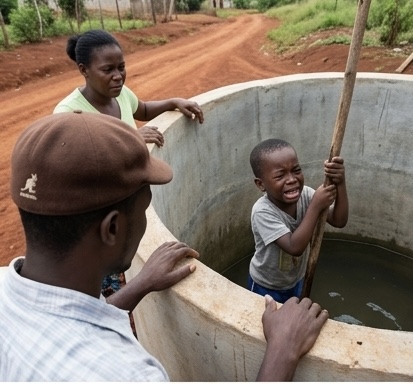
It was a woman named Ann who became my savior. Initially mistaking my cries for a puppy, she discovered me and called the police. As they wrapped me in a blanket, I felt a flicker of hope—maybe someone would believe me this time. But my father, standing there with his brown Kangol hat, dismissed my truth, twisting my words into a lie. The betrayal cut deep; I had lost faith in those who were supposed to protect me.
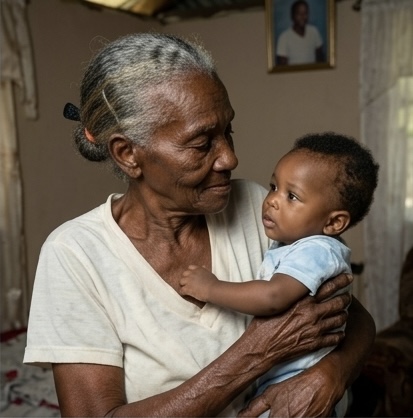
After Granma passed away in 2001, my heart shattered further. I was isolated from my family, forced to live in my father’s shadow, sleeping on a makeshift bed in a half-finished room, enduring abuse that seemed unending. I attended eight different schools, never settling, never truly learning.
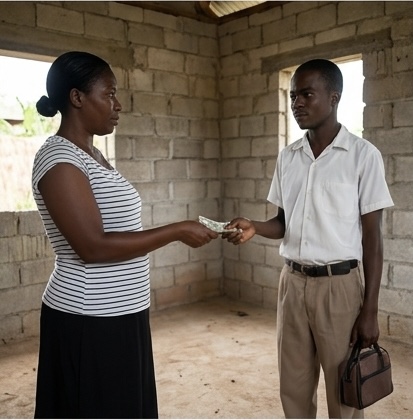
When my stepmother handed me some money and told me to leave, it felt like a lifeline. At fifteen, I returned to Craig Head, greeted like a long-lost son by my family and friends. Despite the setbacks, I found my way into Holmwood Technical School, aided by my aunt in the States.
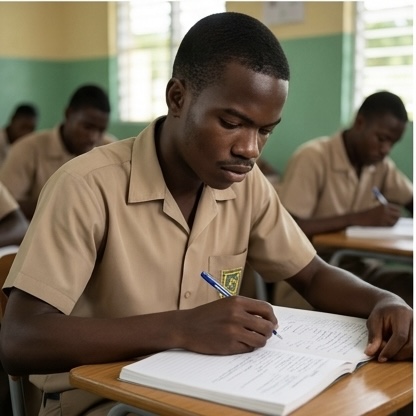
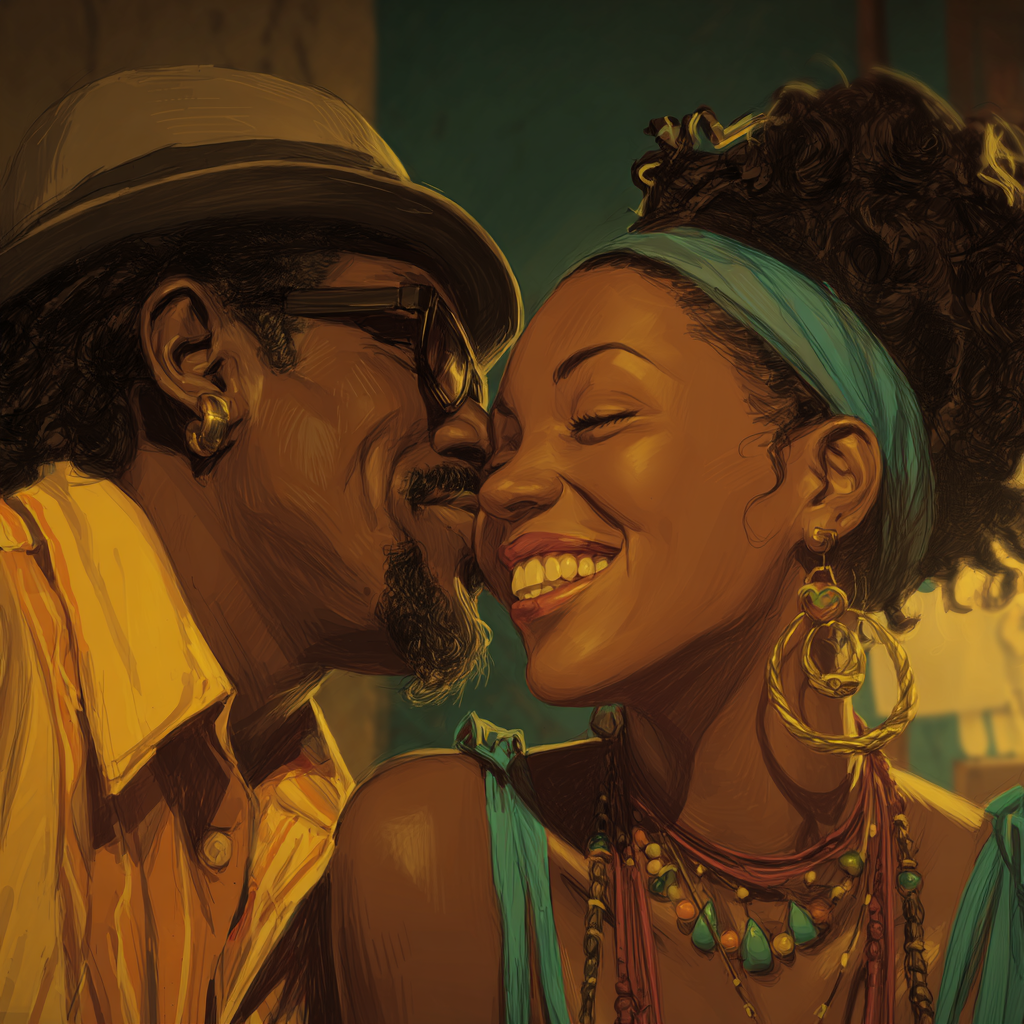
I moved to Kingston in 2008, worked hard, and earned my degree in Food and Nutrition in 2014. Six months ago, I married the love of my life, a bittersweet moment without Granma to witness my joy. I’ve come so far, yet shadows of my past linger. I wrestle with the anger I feel towards my father, and the name I carry—a name that feels heavy with the weight of my childhood.
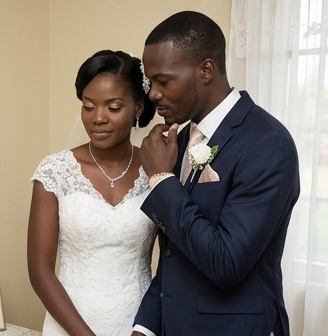
But I refuse to be defined by those dark days. I dream of being known not as the boy whose mother left him or the boy thrown into a tank, but as Doctor Hopeton Brown, a man who rose from the ashes of his past, determined to forge a brighter future.
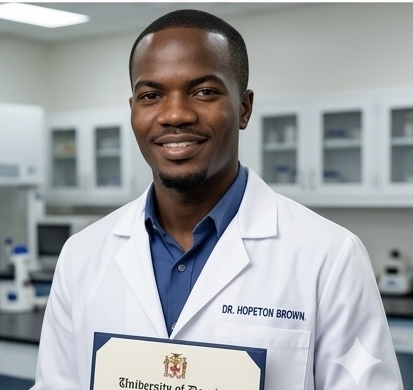
And maybe one day, my journey will inspire others to rise, to believe in the light that can emerge from even the darkest of places.