







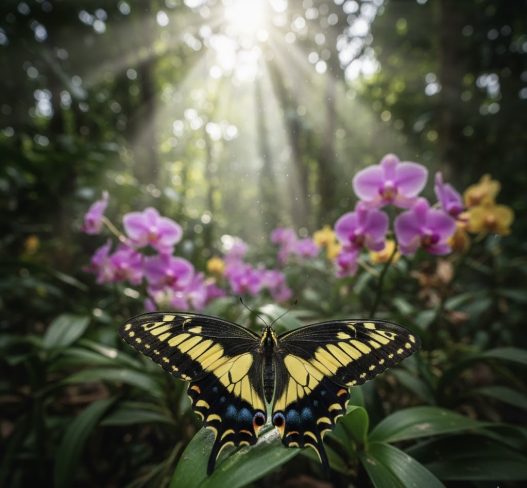
Jamaica, a Caribbean gem celebrated for its vibrant culture, stunning beaches, and reggae rhythms, also harbors a breathtaking natural wonder that often goes unnoticed: the Homerus Swallowtail butterfly. This magnificent insect isn’t just a pretty face; it holds the prestigious title of being the largest butterfly in the Western Hemisphere, boasting an impressive wingspan that can reach up to six inches. But beneath its grand beauty lies a precarious existence, as this majestic creature is critically endangered and fighting for survival in its only known home.
The Homerus Swallowtail: A Caribbean Giant
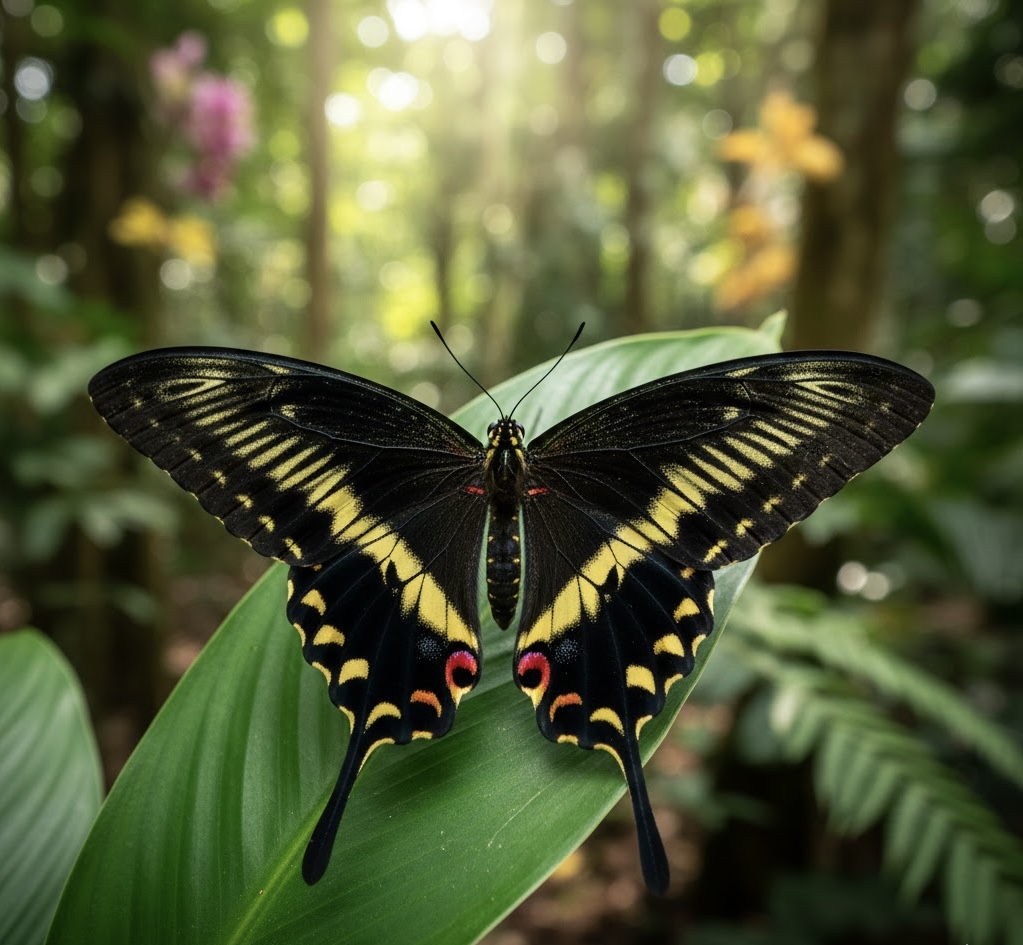
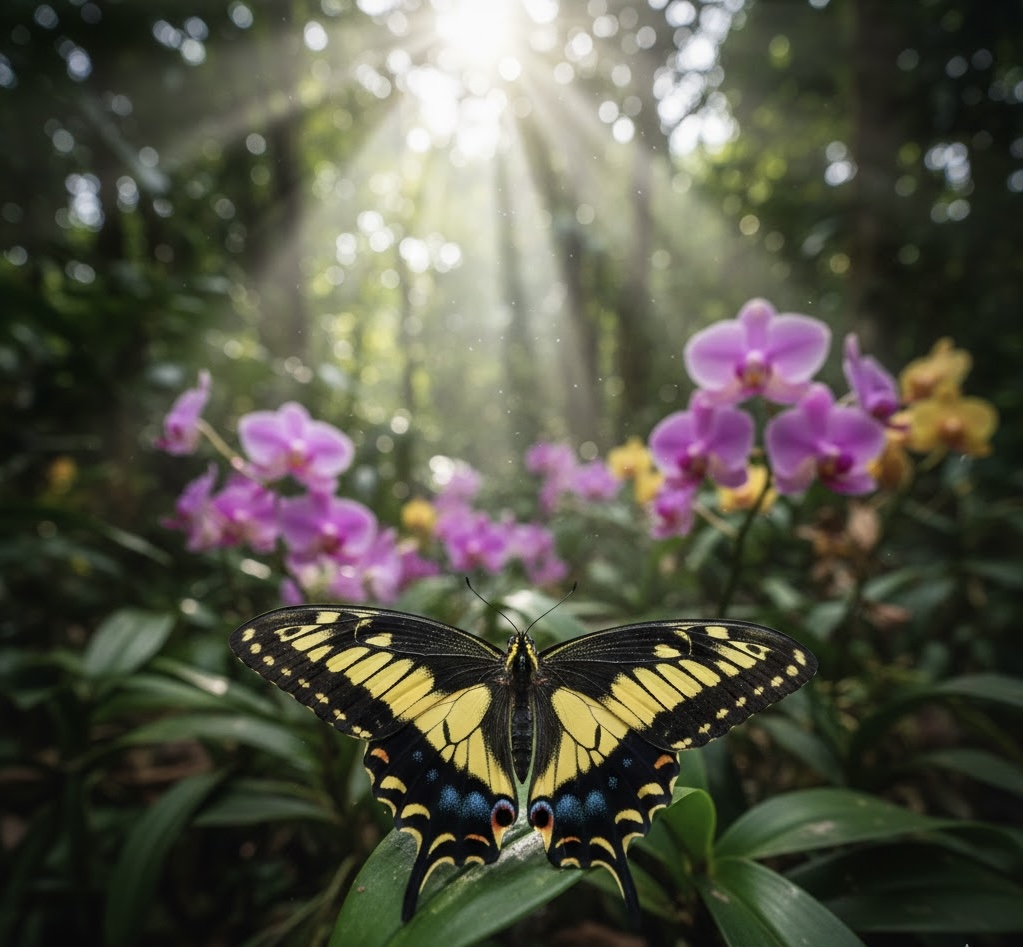
Imagine a butterfly the size of a small bird, with rich black wings dramatically striped with vibrant yellow bands and iridescent blue or red spots. That’s the Homerus Swallowtail ( Papilio homerus ), a true spectacle of nature. Its imposing size and striking coloration make it instantly recognizable, captivating anyone lucky enough to witness its graceful flight. This butterfly is not just large; it’s a living relic, representing a unique evolutionary path found nowhere else on Earth. Its existence is a testament to Jamaica’s rich biodiversity, making it a crucial species for the island’s ecological integrity.

Endemic to Jamaica: A Precious Rarity
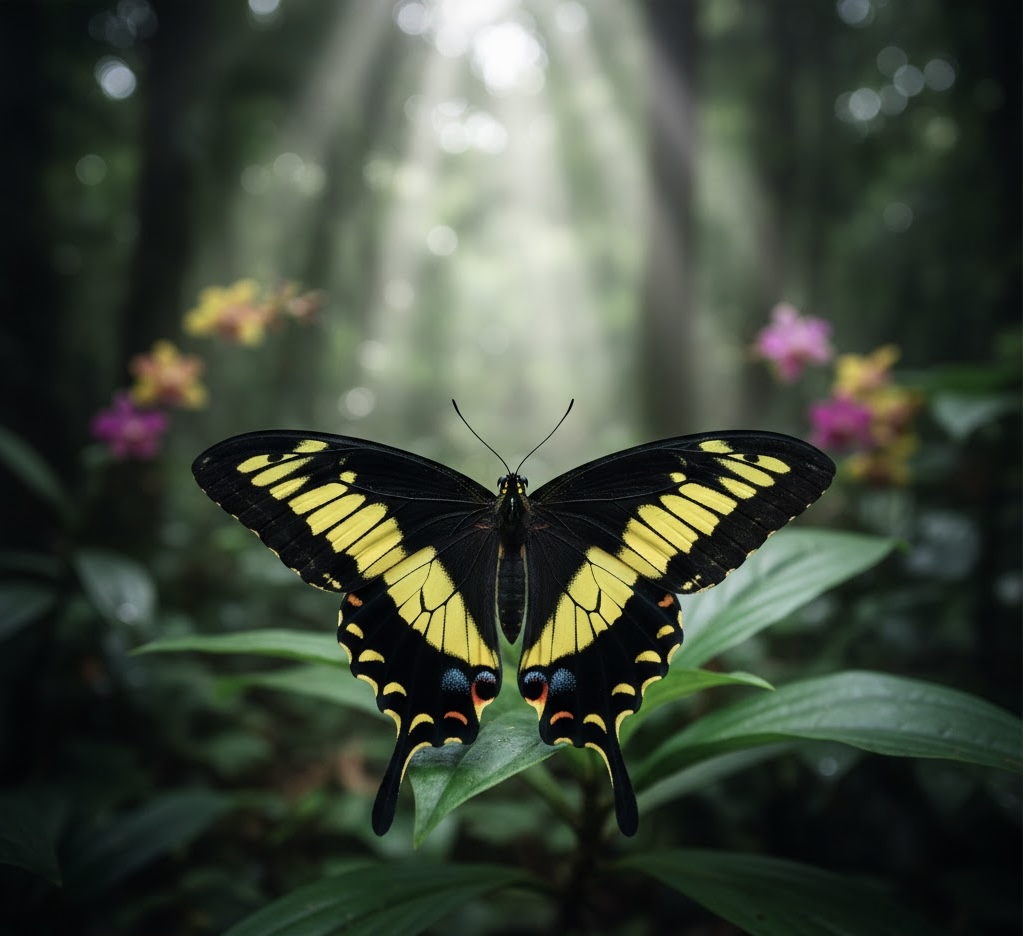
What makes the Homerus Swallowtail even more special, and simultaneously more vulnerable, is its status as an endemic species. This means it is found exclusively in Jamaica and nowhere else in the world. Its life cycle is intricately linked to specific host plants, primarily the endemic Jamaican lacebark (Lagetta lagetto) and other species within the Rutaceae family. This specialized relationship means any threat to its habitat directly imperils the butterfly’s survival. Its restricted geographical range makes it particularly susceptible to environmental changes, highlighting the urgent need for robust conservation efforts.
Facing Extinction: The Critically Endangered Status
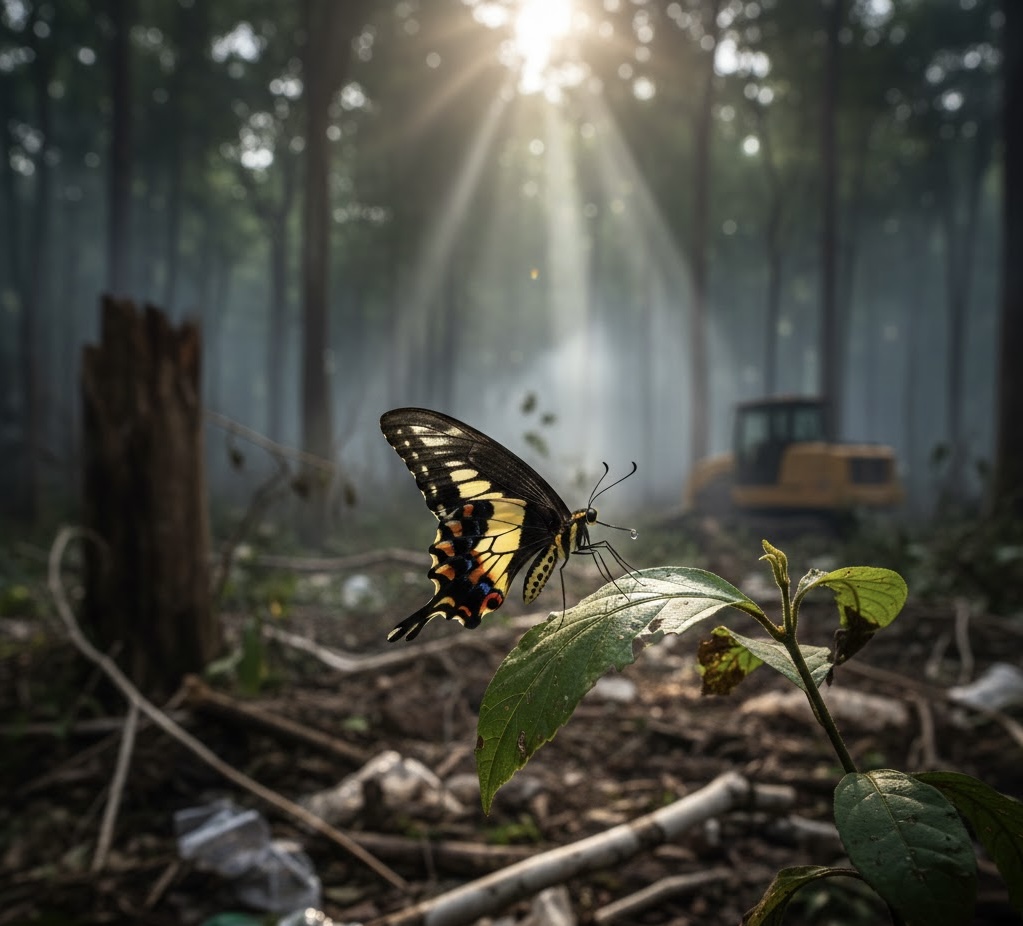
Sadly, the Homerus Swallowtail’s majestic presence belies its fragile reality. It is classified as critically endangered by the IUCN Red List, facing an extremely high risk of extinction in the wild. The primary threats are habitat destruction due to deforestation, agricultural expansion, mining operations, and illegal logging. Climate change also plays a significant role, altering the delicate balance of its forest ecosystems. The dwindling numbers are a stark reminder of the rapid loss of biodiversity occurring globally, making every conservation initiative crucial.
Last Strongholds: Cockpit Country and Blue Mountains

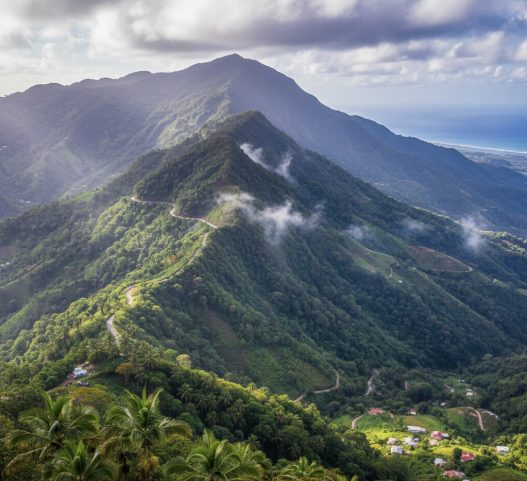
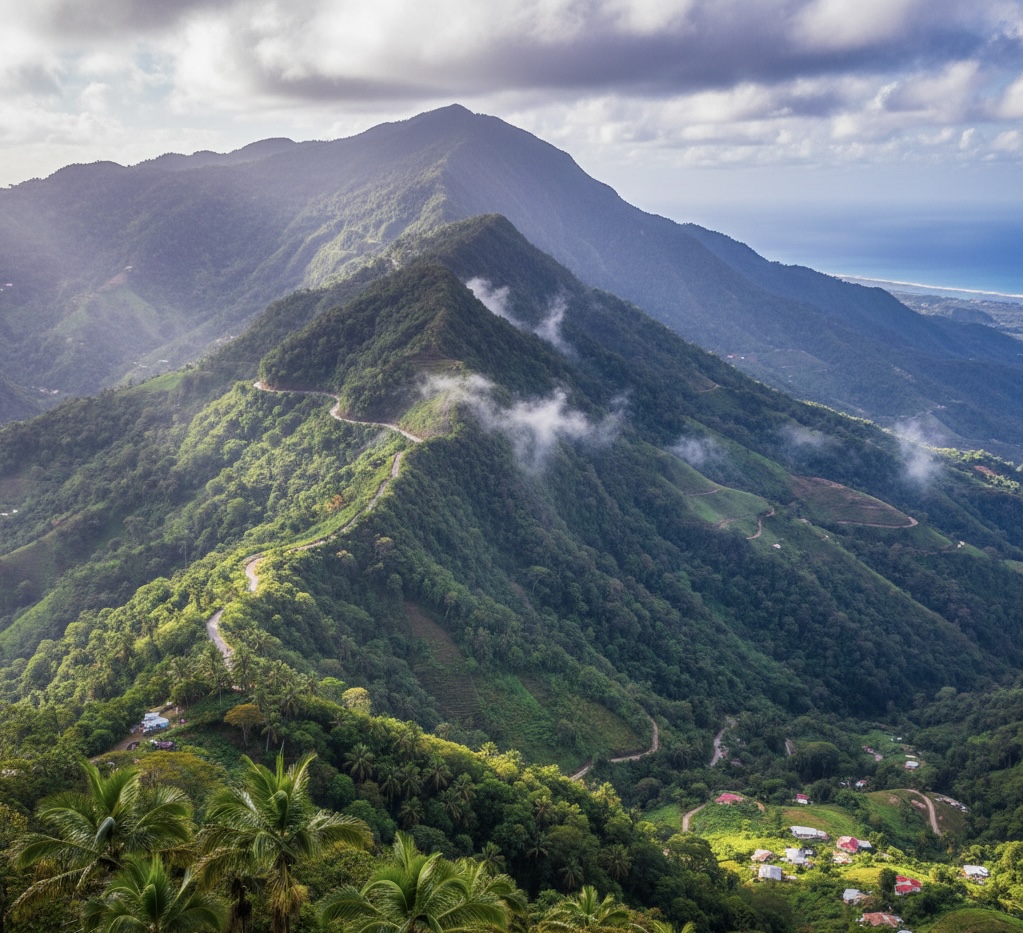
Hope for the Homerus Swallowtail largely rests in two of Jamaica’s most vital natural areas: Cockpit Country and the Blue Mountains.
- Cockpit Country: This unique karst landscape in western Jamaica is characterized by its distinctive “cockpit” formations – steep-sided, forested depressions. Its rugged terrain has historically made it less accessible to human development, creating a natural refuge for many endemic species, including the butterfly. It is a biodiverse hotspot and a crucial watershed for the island.
- Blue Mountains: Extending across eastern Jamaica, the Blue Mountains are home to lush cloud forests and cooler climates. This region is also a UNESCO World Heritage Site, recognized for both its natural beauty and cultural significance. These high-altitude forests provide another critical habitat for the Homerus Swallowtail, offering diverse flora and a more stable environment.

These two regions are the epicenters of dedicated Homerus Swallowtail conservation efforts.
Saving the Giant: Conservation Initiatives
Conservation efforts for the Homerus Swallowtail are multi-faceted, involving both local and international partners. Key strategies include:
- Habitat Protection: Establishing and strengthening protected areas in Cockpit Country and the Blue Mountains to prevent further deforestation and habitat degradation. This includes lobbying against destructive activities like bauxite mining.
- Reforestation and Host Plant Cultivation: Reforesting areas with native trees, particularly the host plants vital for the butterfly’s larval stage. Community involvement is crucial in these initiatives.
- Public Awareness and Education: Educating local communities and visitors about the importance of the Homerus Swallowtail and its role in Jamaica’s ecosystem. This fosters a sense of stewardship and encourages sustainable practices.
- Research and Monitoring: Ongoing scientific research to better understand the butterfly’s life cycle, population dynamics, and specific habitat requirements. Monitoring programs help track population trends and the effectiveness of conservation strategies.
- Ecotourism Development: Promoting responsible ecotourism that supports conservation efforts and provides economic alternatives for local communities, reducing pressure on natural resources.

The future of the Homerus Swallowtail, Jamaica’s largest and most magnificent butterfly, hangs in the balance. Its survival is not just about saving a single species; it’s about preserving a unique piece of global biodiversity and maintaining the ecological health of Jamaica. Through dedicated conservation efforts and increased awareness, there is hope that this Caribbean giant will continue to grace the skies of Jamaica for generations to come. Support for these initiatives is paramount to ensuring its majestic flight endures.