Jamaica’s world-famous white-sand beaches and turquoise waters attract millions of international visitors each year, serving as the foundation of a thriving multibillion-dollar tourism industry. Yet behind the postcard-perfect scenery, a major legal and social battle is unfolding over who actually gets to enjoy the island’s shoreline.
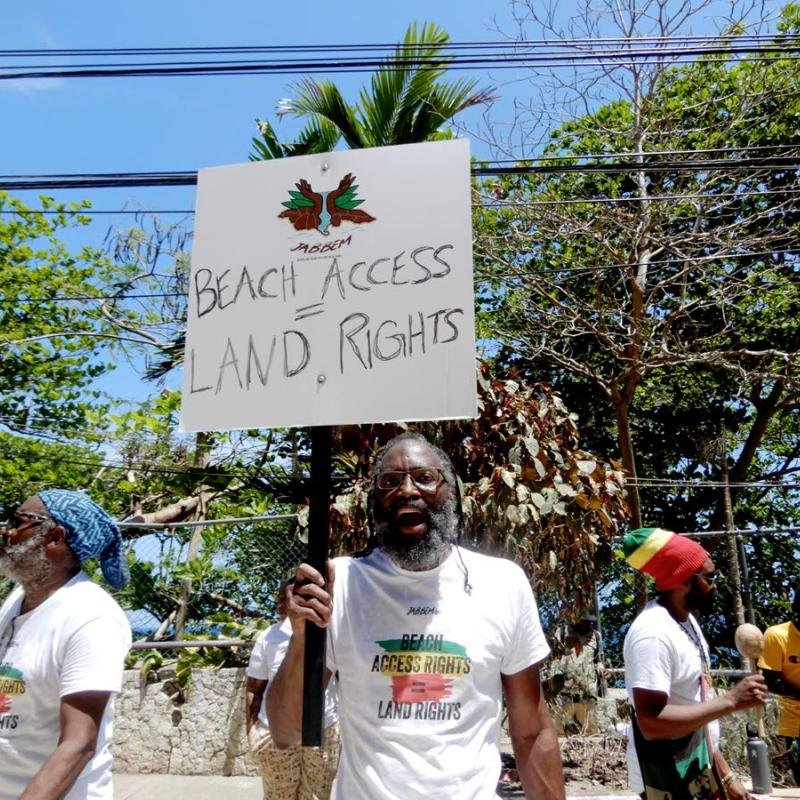
Across Jamaica, community activists, fishers, craft vendors, and residents are challenging the privatization of beaches by sprawling all-inclusive resorts, arguing that locals are being locked out of their own natural heritage.
Colonial-Era Laws and Modern Resorts
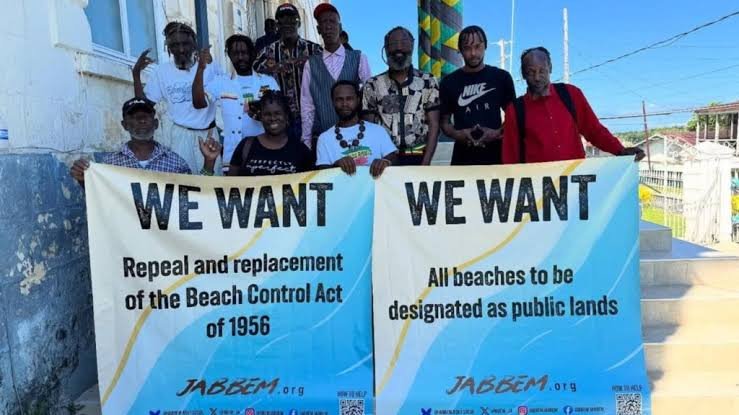
For many Jamaicans, accessing the coast now requires paying expensive day passes to enter private hotel properties. At the center of the dispute is the 1956 Beach Control Act, a piece of legislation enacted while Jamaica was still a British colony. The law placed the island’s foreshore and seabed under state ownership, creating a licensing framework that campaigners say has allowed successive governments to hand exclusive control of prime coastal areas over to private companies.
To fight back, grassroots groups have launched five simultaneous civil court cases against the government and private landowners to stop further beach privatization in major tourist destinations.
Campaigners are relying heavily on the 1882 Prescription Act, which protects the public’s legal right to use land or pathways that have served as continuous public access routes for at least 20 years. Activists argue this law applies directly to Jamaica’s historic beaches.
Grassroots Resistance and Cultural Connection
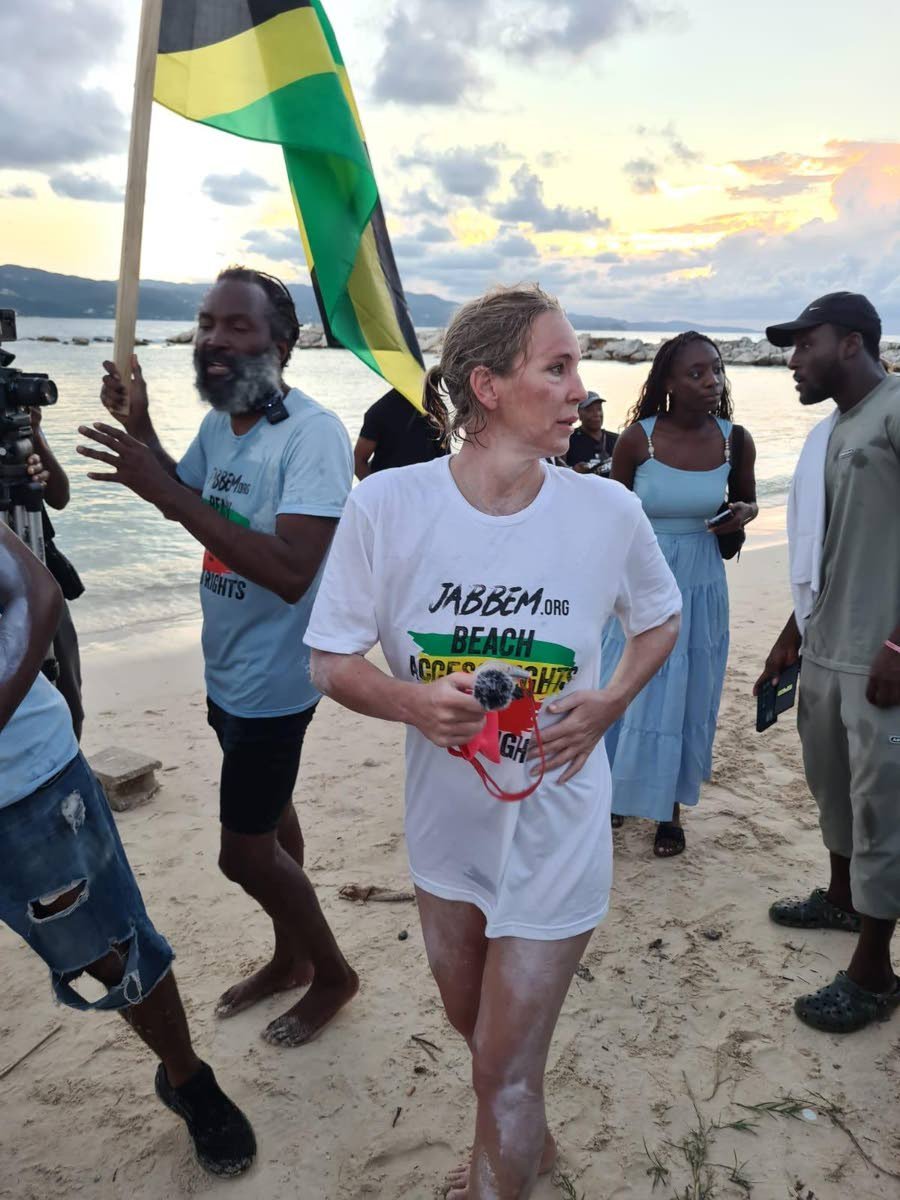
The movement is spearheaded by the Jamaica Beach Birthright Environmental Movement (Jabbem), founded in 2020 by immunologist Dr. Devon Taylor following local protests over the privatization of Mammee Bay in Saint Ann. Jabbem views the issue as an anticolonial struggle, warning that cutting Jamaicans off from the sea violates their constitutional rights and threatens generations of fishers who depend on the ocean for food and income.
Beyond economics, beaches hold deep cultural and spiritual significance. They serve as primary spaces for affordable family recreation, meditative retreats for Rastafarians, and healing destinations—such as Portland’s Blue Lagoon—for elderly residents.
Carolyn Cooper, professor emerita at the University of the West Indies and volunteer adviser to Jabbem, criticized the restrictions as outrageous, noting that successive governments have failed to recognize that Black Jamaicans are entitled to leisure on their own island.
Balancing Tourism and Public Rights
Government officials defend their approach by emphasizing tourism’s vital role in the national economy. Minister of Environment and Climate Change Matthew Samuda noted that the sector directly employs between 112,000 and 116,000 Jamaicans and supports up to 350,000 people through connected industries. Officials also warn that protests and barrier removals could cause costly reputational damage to the industry.
While Prime Minister Andrew Holness proposed a new beach access and management policy in 2018, and recent approvals for new developments require developers to carve out corridors to the sea, activists remain unconvinced. They argue these measures only offer conditional access at the discretion of landowners and do nothing to reopen beaches that are already privatized.
Campaigners stress they are not anti-tourism, pointing to neighboring Caribbean nations like St. Lucia, where laws guarantee public access to all beaches alongside a booming hospitality sector. Despite costly trial postponements and a lengthy legal road ahead, Jabbem remains confident that its evidence for prescriptive rights will ultimately secure permanent public access for all Jamaicans