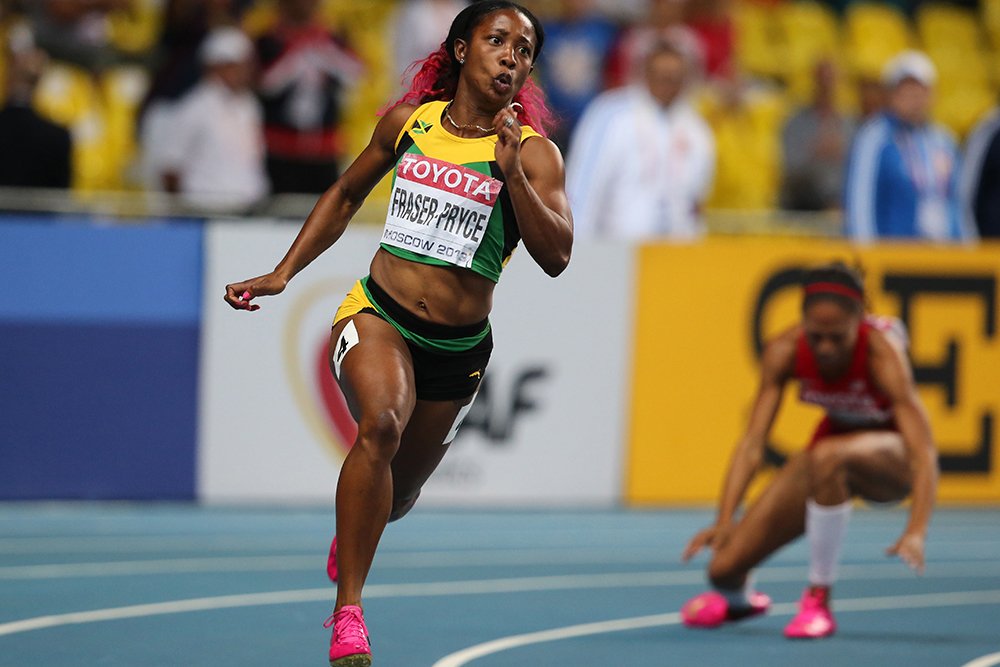
In a sport where careers are often measured in fleeting moments and fractions of a second, Jamaican sprinting icon Shelly-Ann Fraser-Pryce has established a monument of athletic endurance that may never be replicated. With an astonishing 87 career performances under the 11-second barrier in the 100-meter dash, the athlete widely known as the “Pocket Rocket” has officially separated herself from every sprinter who came before her, rewriting the expectations of aging, motherhood, and elite performance.
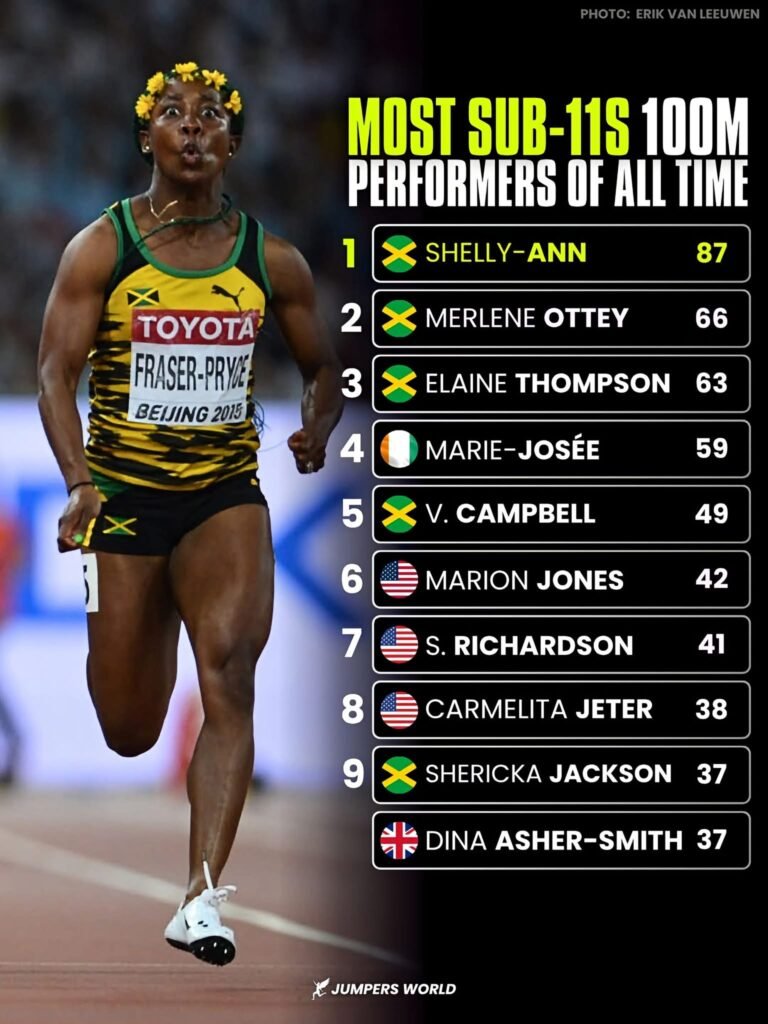
While names like Merlene Ottey (66 sub-11s) and teammates like Elaine Thompson-Herah (63 sub-11s) underscore the elite historical tier of Jamaican sprinting, Fraser-Pryce’s statistical cushion places her in an entirely different stratosphere. It is a testament to nearly two decades of flawless executing from the starting blocks.
A Historic Arrival in Beijing
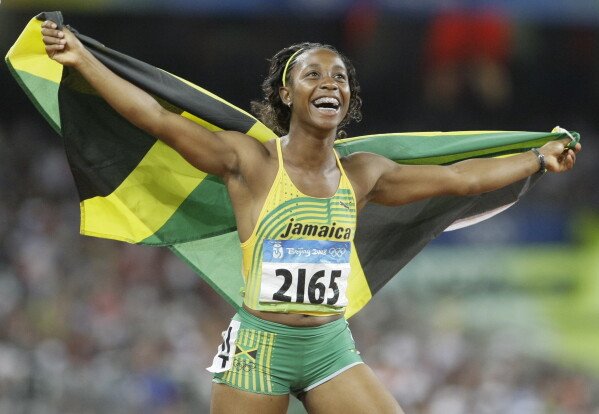
Fraser-Pryce first stunned the global track community at the 2008 Beijing Olympics. Arriving as a relatively unknown 21-year-old, she blasted through the field to clock a time of 10.78 seconds, becoming the first Caribbean woman in history to win Olympic gold in the 100 meters.
Far from a one-hit wonder, she successfully defended her crown at the 2012 London Olympics with a blistering 10.75-second performance, joining a highly exclusive club of back-to-back female Olympic 100-meter champions. Her explosive block starts and compact, high-efficiency stride quickly became the technical blueprint for a new generation of shorter, power-based sprinters globally.
The Rise of the ‘Mommy Rocket’
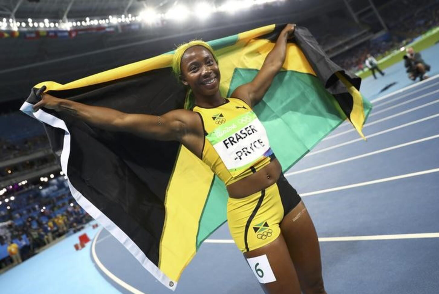
The true measure of Fraser-Pryce’s legendary status, however, lies in her resilience through profound life changes and physical setbacks. Following a hard-fought bronze medal at the 2016 Rio Games while battling severe toe injuries, many pundits suspected her career was winding down. When she stepped away from the sport in 2017 to give birth to her son, Zyon, critics openly suggested she should retire.
Instead, she transitioned into her self-proclaimed “Mommy Rocket” era. Returning to full-time training mere weeks after an emergency C-section, she defied the critics to win her fifth individual 100-meter world title at the 2019 World Athletics Championships in Doha at the age of 32.
Defying Time and Setting Final Milestones

Rather than slowing down in her mid-30s, Fraser-Pryce shockingly found ways to run faster. In June 2021, she clocked a personal best of 10.63 seconds in Kingston, followed by an incredible 10.60-second lifetime best later that year, solidifying her place as the third-fastest woman in human history.
Her competitive career neatly bookended itself with appearances on the world stage, extending through her final competitive chapters, including qualifying for her fifth Olympic selection and pointing toward a poetic final curtain at the World Athletics Championships. Though nagging injuries occasionally limited her late-career appearances, her footprint on the sport remains monumental. With three Olympic golds, 10 World Championship titles, and an unmatched stack of sub-11 second races, Fraser-Pryce leaves track and field significantly better and faster than she found it.