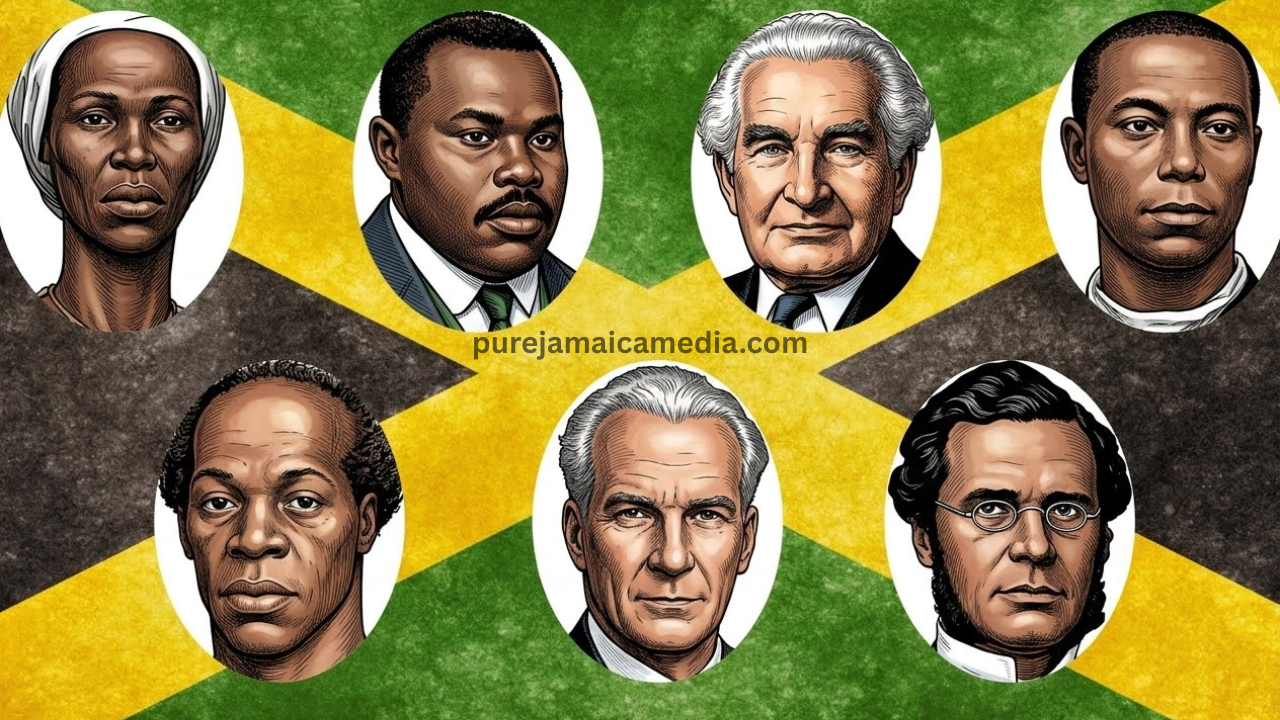
Every year, the island of Jamaica comes alive with vibrant cultural pride, deep reflection, and a unified spirit of gratitude. National Heroes’ Day in Jamaica is a fundamental public holiday that honors the extraordinary sacrifices of seven foundational figures who dedicated their lives to breaking the chains of slavery, fighting colonial oppression, and paving the way for full sovereignty.
Observed annually on the third Monday of October, this day acts as the emotional and historical cornerstone of National Heritage Week. It serves as a reminder of the resilience and courage that define the Jamaican spirit.
The Origins of National Heroes’ Day
Before Jamaica achieved its independence, the island celebrated the official birthday of Queen Elizabeth II. However, following independence in 1962, the nation sought to forge its own identity and honor its homegrown champions.
In 1969, the Jamaican parliament officially established National Heroes’ Day through the National Honours and Awards Act. This act effectively replaced the British monarch’s celebration with a day completely dedicated to the men and women who bled, fought, and organized for Jamaica’s liberty.
Who Are the 7 National Heroes of Jamaica?
Jamaica officially recognizes seven national heroes. Each individual represents a unique chapter in the island’s long timeline of resistance, labor rights reform, and political independence.
1. Nanny of the Maroons
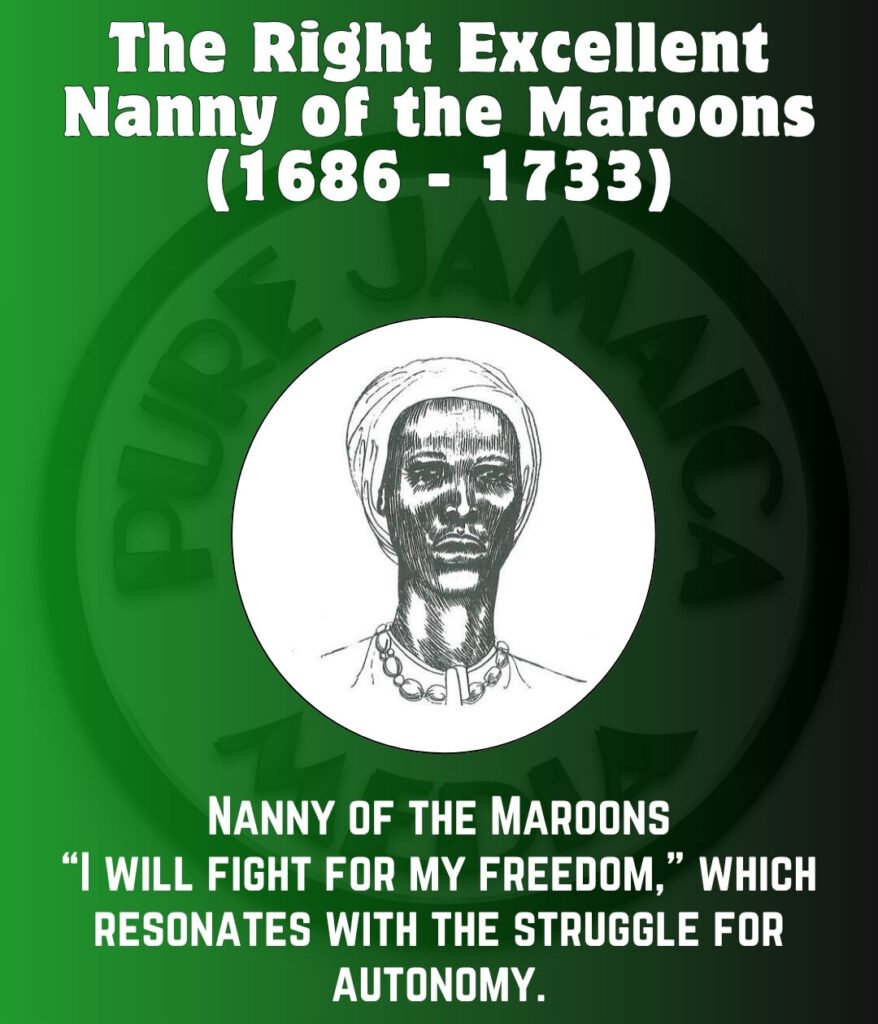
An outstanding 18th-century military leader, Queen Nanny was the chieftainess of the Windward Maroons. She is legendary for her tactical genius, physical guerrilla warfare strategies, and fierce defense of freed Africans against British forces, securing land and freedom for her people.
2. Samuel Sharpe
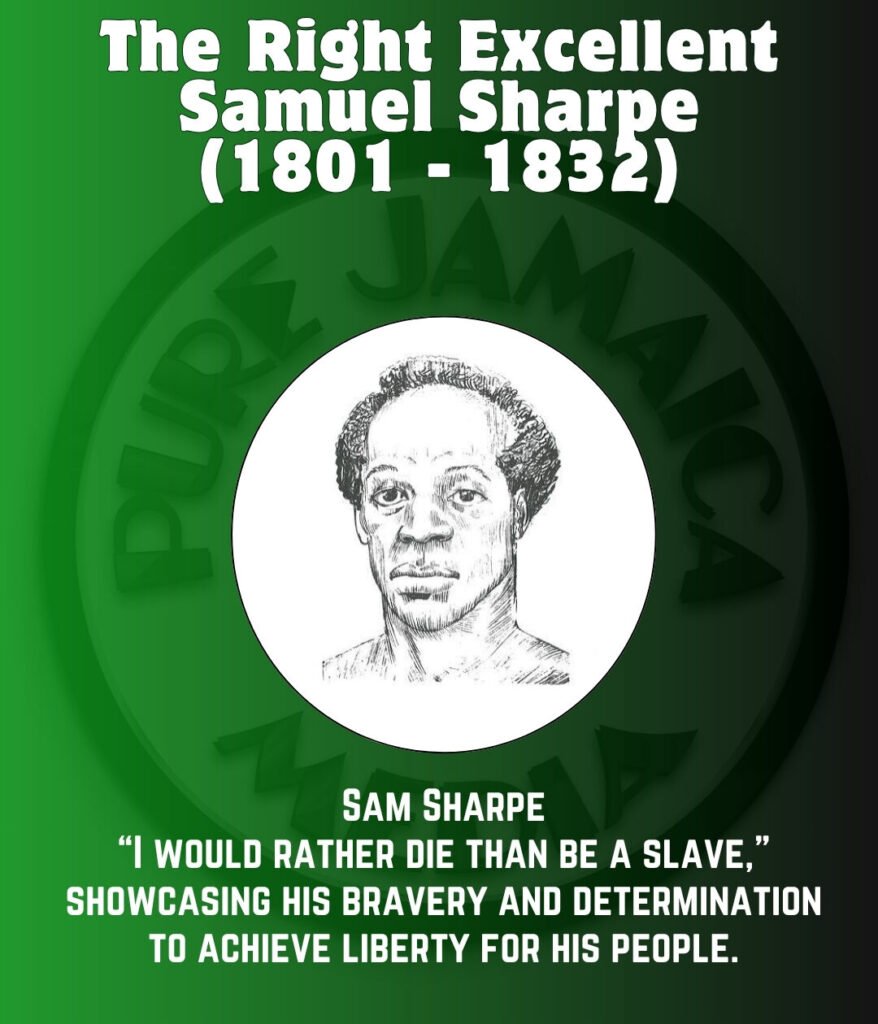
A deeply religious Baptist deacon, Sam Sharpe was the main architect behind the 1831 Christmas Rebellion(also known as the Baptist War). Though he was executed for his role, his massive uprising shook the foundations of the plantation system and served as a major catalyst for the abolition of slavery across the British Empire.
3. Paul Bogle
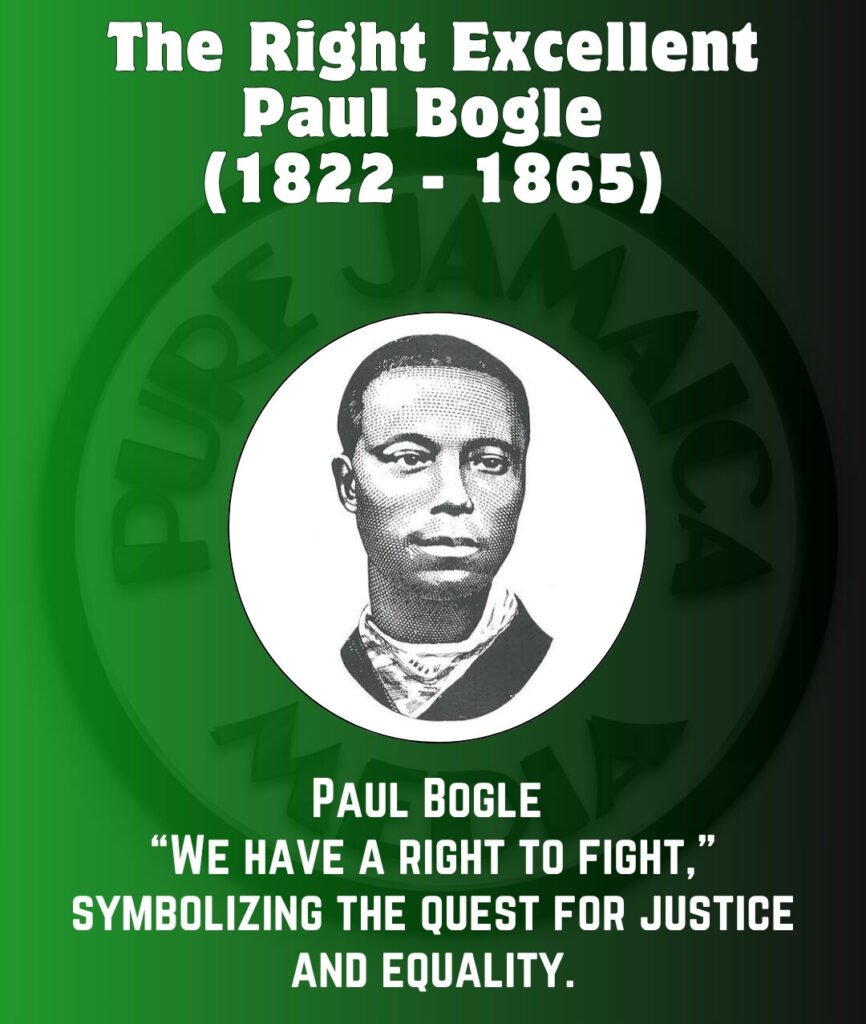
A deacon from Stony Gut, Paul Bogle led the historic 1865 Morant Bay Rebellion. He marched for poverty relief, fair legal treatment, and voting rights for newly emancipated people, ultimately sacrificing his life in the pursuit of social justice.
4. George William Gordon
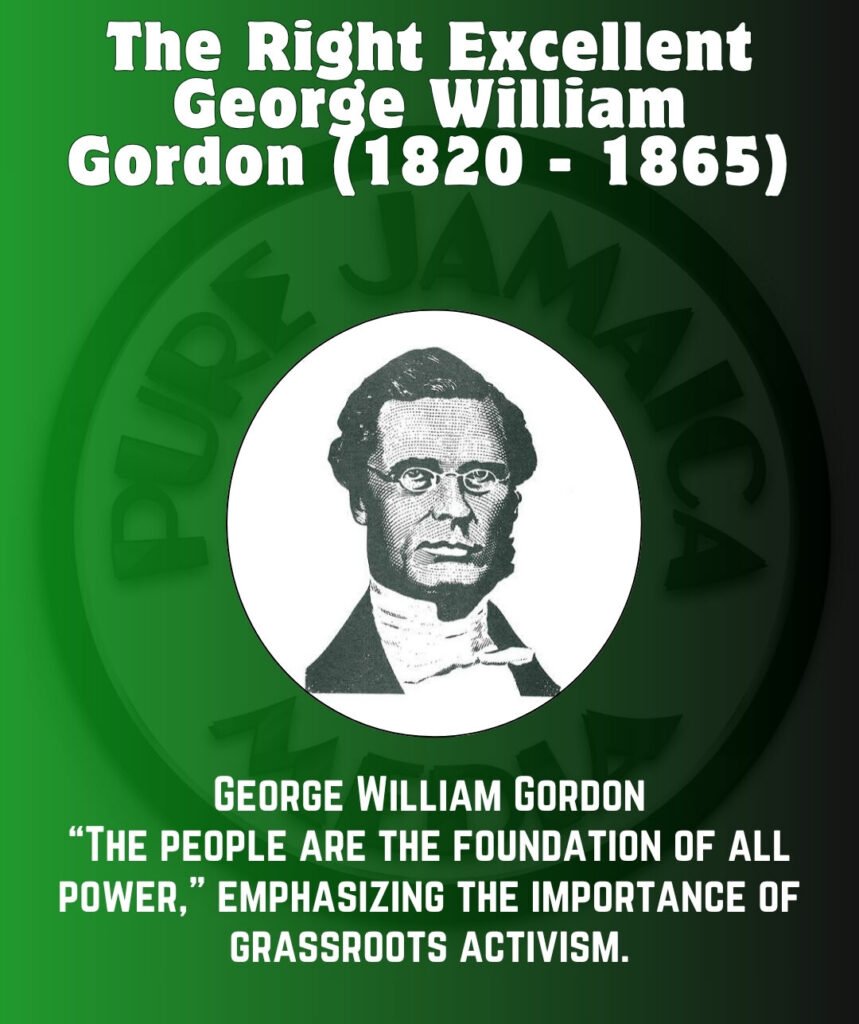
A wealthy businessman and politician, George William Gordon used his seat in the Jamaican Assembly to advocate for poor, disenfranchised citizens. Despite having no direct part in the Morant Bay outbreak, colonial authorities executed him because of his public criticisms of the ruling class.
5. Marcus Mosiah Garvey
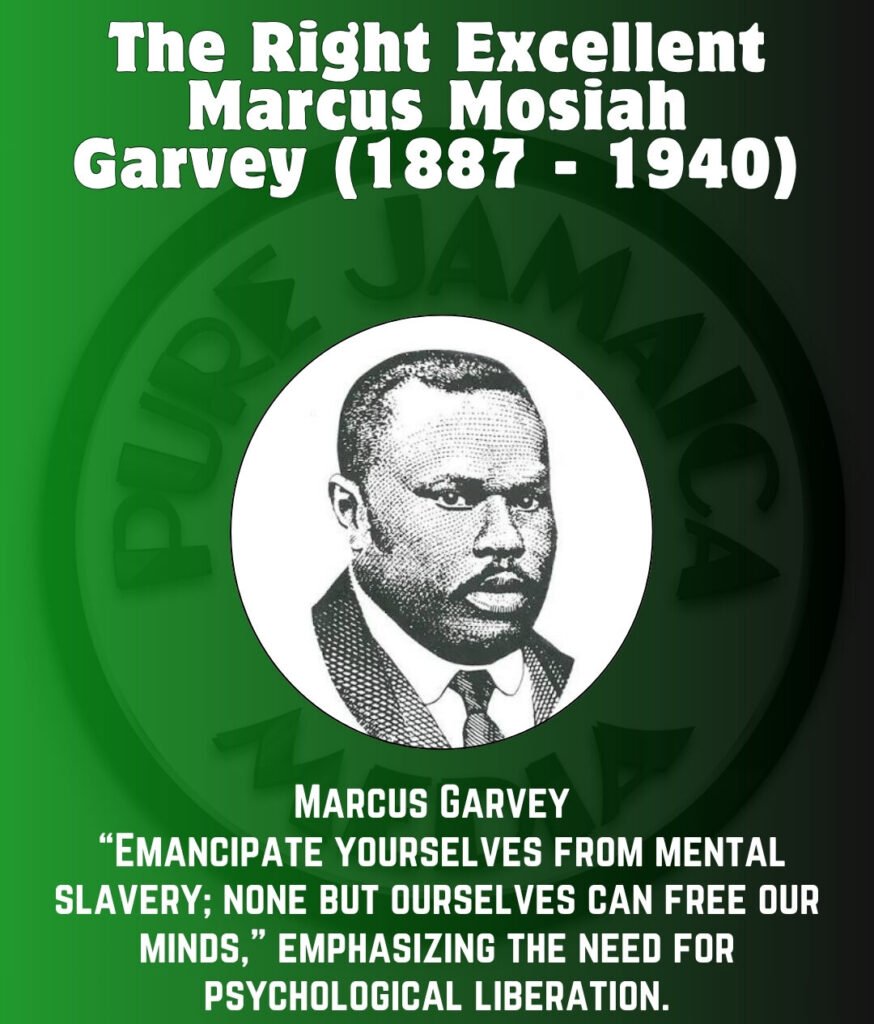
As a pioneering political activist, journalist, and founder of the Universal Negro Improvement Association (UNIA), Marcus Garvey ignited a global movement of Black nationalism and Pan-Africanism. His philosophies on self-reliance and mental liberation inspired civil rights movements worldwide.
6. Sir Alexander Bustamante
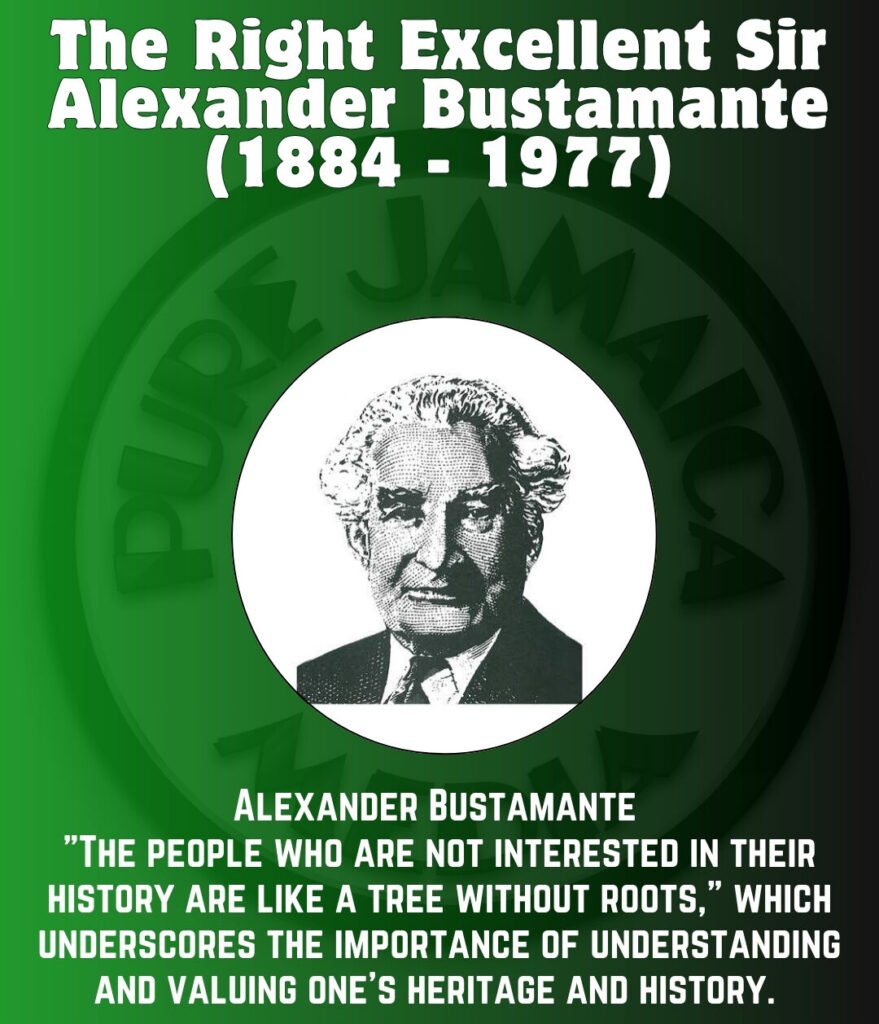
A charismatic labor leader and masterful negotiator, Bustamante championed worker rights during the volatile labor riots of the 1930s. He went on to become Jamaica’s very first Prime Minister when the country gained its independence in 1962.
7. Norman Washington Manley
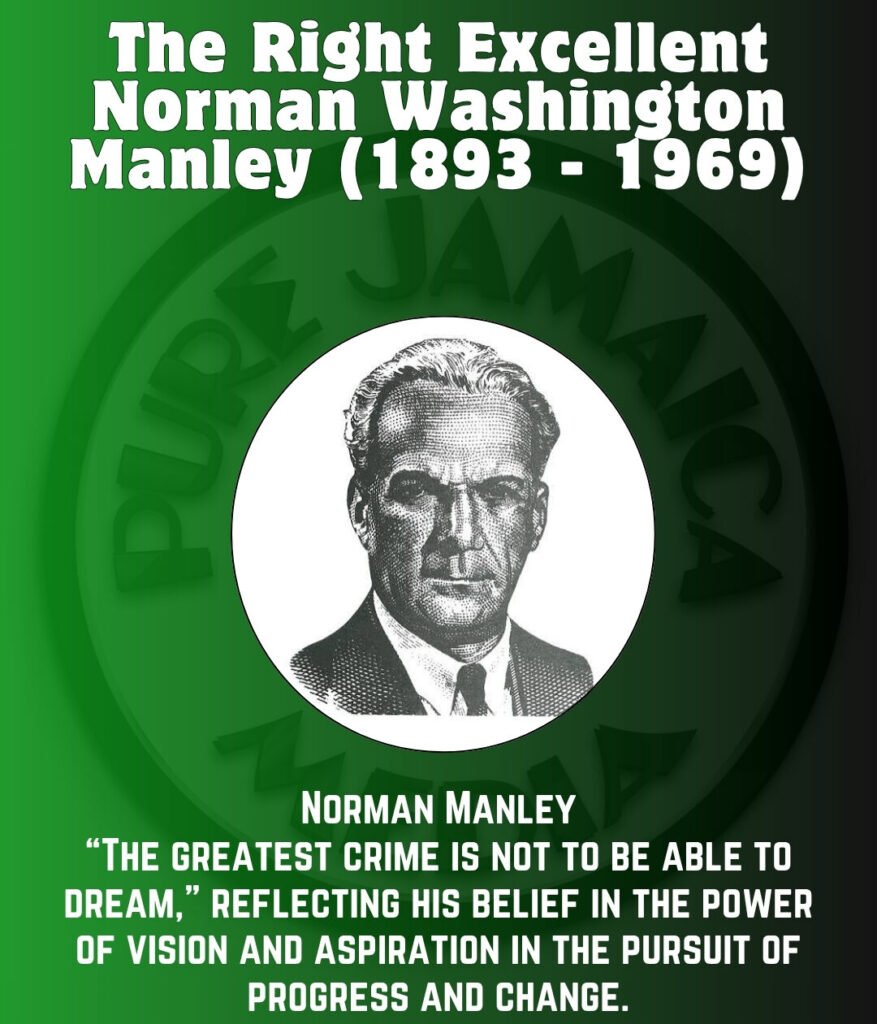
One of Jamaica’s most brilliant legal minds, Norman Manley spearheaded the political movement toward universal adult suffrage. Alongside Bustamante, he helped design the constitutional framework that granted Jamaica its ultimate self-governance.
Modern Traditions: How Jamaica Celebrates Today
The holiday is marked by a mix of formal state traditions and energetic, community-led cultural festivals.
- The National Honours and Awards Ceremony: Held at King’s House in Kingston, the Governor-General presents prestigious national awards—such as the Order of Jamaica and Order of Distinction—to modern-day citizens who have made outstanding contributions to medicine, art, global sports, and public service.
- Cultural Concerts and Heritage Tree Plantings: Communities across all 14 parishes host folk music concerts, poetry readings, and traditional culinary fairs.
- Reenactments and Educational Events: Schools and civic centers dedicate time to theater and storytelling, ensuring the sacrifices of the ancestors are passed down to younger generations.
Frequently Asked Questions (FAQs)
When is National Heroes’ Day celebrated in Jamaica?
National Heroes’ Day is celebrated every year on the third Monday of October. It is a public holiday, meaning schools, government offices, and many private businesses close for the day.
Who was the first national hero of Jamaica?
The first individuals officially designated as National Heroes in 1969 were Paul Bogle, George William Gordon, and Marcus Garvey. Samuel Sharpe and Nanny of the Maroons were added later to fully represent the historic fight against slavery.
Is there a national heroine in Jamaica?
Yes. Nanny of the Maroons is currently Jamaica’s only officially designated national heroine, revered for her unmatched leadership and bravery in fighting colonial forces.
What is the difference between Independence Day and National Heroes’ Day?
While Independence Day (August 6) celebrates Jamaica breaking away from British colonial rule in 1962, National Heroes’ Day focuses specifically on honoring the individual people and generational struggles that made that freedom possible.