

Controlling the spread of disease within high-traffic environments remains one of the greatest hurdles for modern medicine. High-touch surfaces—especially common door handles—act as primary transit hubs for dangerous pathogens, rendering even the most rigorous manual cleaning schedules vulnerable to instant re-contamination.
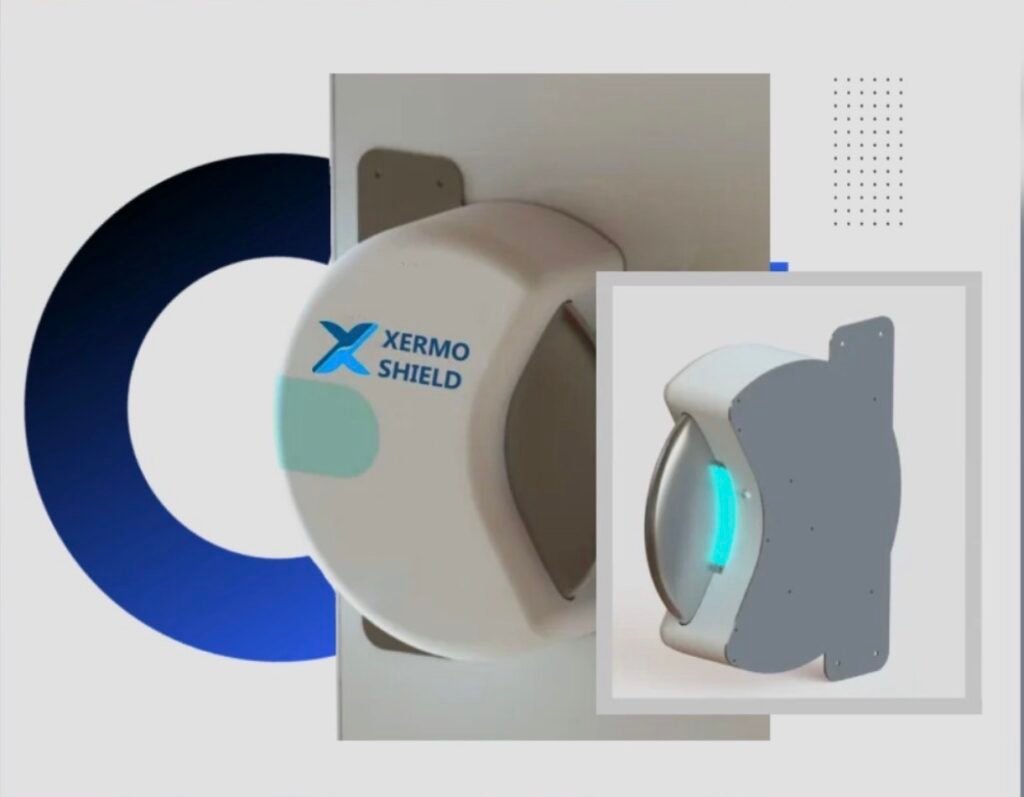
A groundbreaking breakthrough in automated sanitation is shifting the narrative on medical innovation. Conceptualized by a student from Jamaica, Xermosol is a self-disinfecting door handle designed to neutralize dangerous microorganisms automatically after every single touch. This technology offers a critical, continuous line of defense for hospitals, hospitality sectors, and commercial spaces worldwide.
The Visionary Behind Xermosol

The concept was born at the University of Technology, Jamaica, where a then-23-year-old software engineering student named Rayvon Stewart sought a practical solution to clinical cross-contamination. Growing up in the rural farming community of Mount Prospect, Stewart faced significant economic hardships but became one of the first members of his family to pursue higher education.
While volunteering within a local hospital, Stewart witnessed firsthand the immense struggles of patients and the overwhelming demands placed on nursing staff. Recognizing that manual sanitizing protocols fell short the moment a clean handle was touched again, he pivoted his engineering talents toward solving a critical vulnerability in public health.
How Automated Self-Sanitization Works
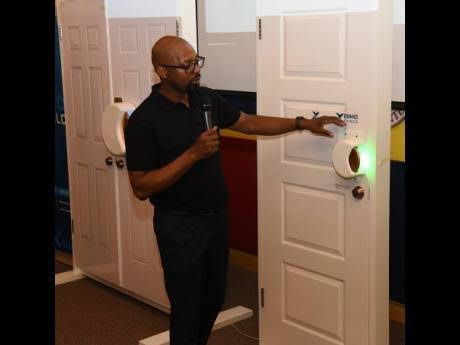
The device operates as a highly adaptive mechanism that retrofits onto existing door handles, removing the need for costly structural overhauls.
The core engineering principles include:
- Instant Activation: The internal system triggers automatically immediately following human contact.
- Calibrated Ultraviolet (UV) Light: The mechanism utilizes a specific, narrow spectrum of UV radiation to target microbes on the surface.
- 99.9% Pathogen Eradication: This targeted wavelength safely destroys the molecular structure of bacteria and viruses, neutralizing nearly all surface threats.
- Ecosystem Safety: The germicidal cycle is engineered to operate without posing any danger to humans or animals nearby.
Medical experts emphasize that while automated sterilization does not replace established World Health Organization (WHO) manual hygiene guidelines, it serves as an invaluable supplementary tool to suppress hospital superbugs.
Global Acclaim and the Rise of Caribbean Tech

What began as a localized student project has quickly garnered international prestige and robust intellectual property protections under the Patent Cooperation Treaty. Stewart’s work has earned top-tier accolades, including the Commonwealth Health Innovations Award and Jamaica’s Prime Minister’s National Youth Award.
Beyond its immediate impact on public health, the commercial rollout of Xermosol has been hailed by leadership within the Caribbean Community (CARICOM) as a vital, “life-saving design” engineered for real-world constraints.
The success of this device highlights a broader macroeconomic shift: a massive 400% surge in tech talent applications emerging from the Caribbean region. This influx of digital expertise is dismantling outdated geographic stereotypes, proving that world-changing, scalable medical technologies are no longer the exclusive domain of traditional first-world tech hubs.