










St. Elizabeth, JAMAICA is known for its lush greenery and rolling slopes that’s undeniably beautiful. They whispered tales of ancient times, where the sun would rise and cast a golden hue over the landscape, painting a serene picture that many found captivating. Yet, for Zola, these hills were not a source of inspiration but rather a cage of shadows, trapping her in a past she could never escape.
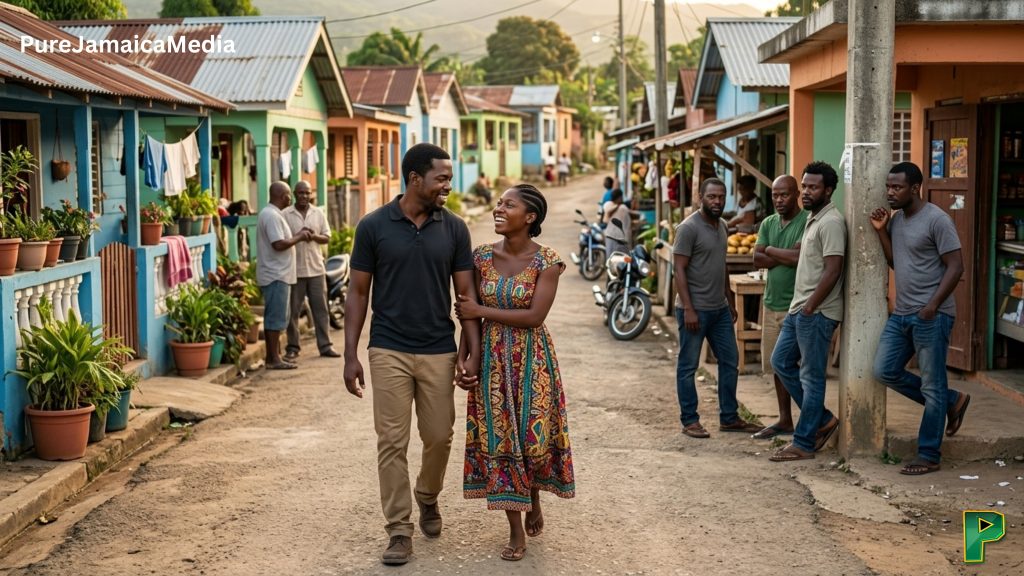
Zola’s origins were woven into the very fabric of these hills. Born out of wedlock, she was the unexpected consequence of a fleeting romance between her parents, who had never intended to bring a child into the world. Her mother was a spirited young woman, full of dreams and laughter, while her father was a carefree soul, more interested in fleeting moments than lasting commitments. Their relationship was a lighthearted affair, one that blossomed in the vibrant social gatherings of the community, where the air was thick with laughter and the intoxicating scent of rum.

When the man her mother “Delcita“, mated with saw the infant’s face—a face that held no trace of his features—he spat a curse and walked away with disgust. Delcita, the mother driven by a cocktail of bitterness and poverty, didn’t see a daughter. She saw a burden, a living reminder of a discarded love.
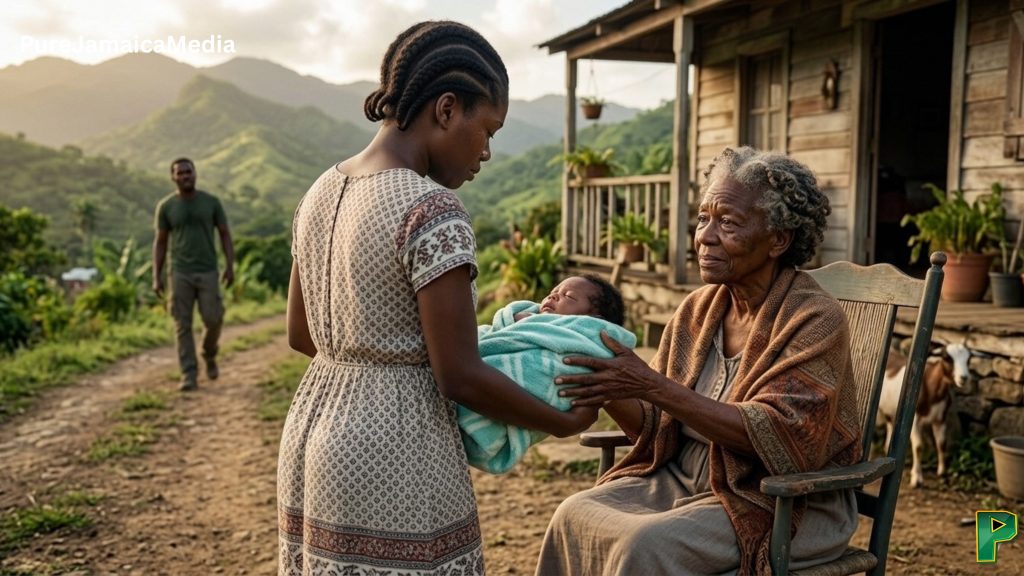
When Zola was four months old, Delcita left her with an old lady known as “Miss Rose,” a neighbor whose home was less of a sanctuary and more of a training ground for pain.
The Crucible of Silence
Zola’s childhood was a masterclass in survival. Miss Rose didn’t believe in words; she believed in theswitch and the stinging heat of boiling water. But the physical scars were only the surface. Within the walls of that house,Zola learned that her body was not her own. She was touched in ways that turned her skin cold, haunted by the shadows of men who treated her innocence like a currency to be spent.
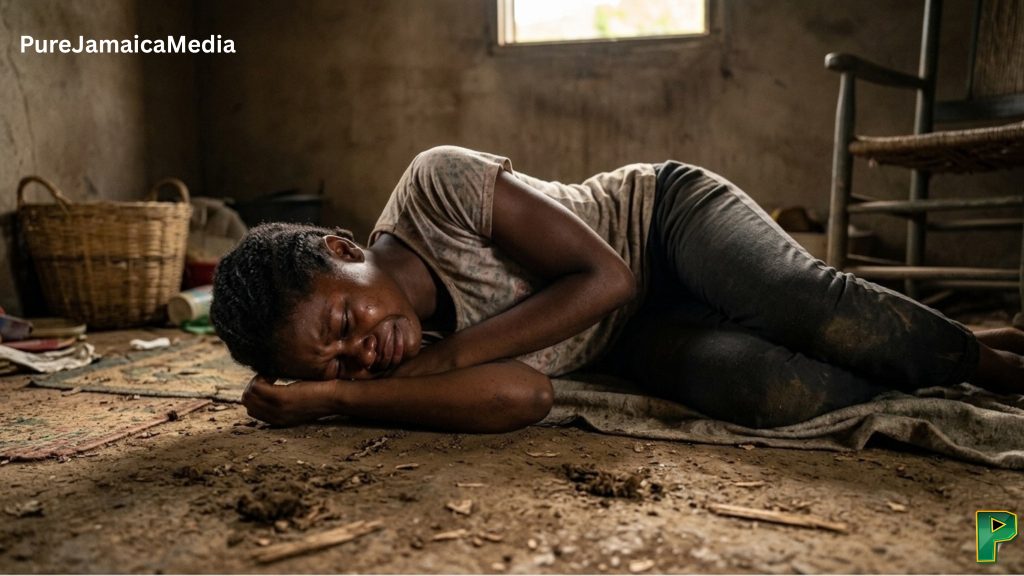
She spent her nights curled into a ball,weeping into the dirt floor, wondering what sin she had committed in the womb to deserve this exile. She became a ghost in her own life, silent, invisible, and utterly broken.
The Phoenix Rising
At sixteen, the fire that had scorched her began to temper her. She found a book in a trash heap. She learned that the world was larger than Miss Rose’s porch. She can be anything is she study hard, after what happened to her she feels as if she owes it to the people who are struggling and wanted to go into healthcare. Zola ran away at seventeen, living on the kindness of strangers, working fields under the blistering sun, and studying by the flicker of streetlamps.

She didn’t just survive; she fought. She pushed through the traumatic memories that threatened to pull her under, channeling her rage into academic brilliance. She was going to be a nurse, she was going to heal the wounds she had been forced to bear.
The Specter Returns

She saved up her money from working in the streets and stayed by friends , sent herself to school passed all her exams with all A’s. After all that hard work and dedication finally paid off, the day of her university graduation As Zola walked across the stage, the blue cap shading her eyes, she saw her own reflection in the crowd.

It was Delcita her biological mother, She looked frail, her skin yellowed by jaundice, her eyes sunken. She wasn’t alone; she was with a man in a sharp suit who looked at Zola with a calculating intensity.
Two days later, Zola was pulled into a Sterile Office. Delcita on her knees , clutching a handkerchief, acting as if the last twenty-two years were merely a brief errand.

“Zola,” Delcita whispered, her voice a fragile, performative melody. “God has brought us together. I’ve been sick for so long. My KIDNEYS… they are failing. The doctors say I need a transplant, and miraculously, you are the only match. It’s fate, baby girl. A mother and daughter, tied by blood again.”
The Choice
Zola stared at the woman. She looked for a flicker of regret, a shadow of shame, an apology for the years of abandonment and the horrors she had left her to endure. She found nothing but the cold, hollow desperation of a woman who viewed Zola not as a person, but as a spare part.

“You want me to give you a part of my body?” Zola asked, her voice steady, cutting through the silence of the room. “You, who gave me nothing but a life of bruises and ghosts?”
Delcita scoffed, her mask slipping for a fleeting, jagged second. “I gave you life, Zola. Don’t be ungrateful. You are successful now, you can spare a kidney. It’s what a daughter owes her mother.”

Zola stood up, the chair scraping against the linoleum—a sound like a scream. She looked at the woman who had walked away when she was a helpless infant, the woman who had allowed her to be discarded like garbage, only to return when she needed a lifeline.
“You didn’t give me life,” Zola said, tears finally tracing paths through her foundation. “You gave me a death sentence. And I am the one who had to fight to bring myself back to life. You aren’t my mother. You’re just a stranger asking for a miracle you never earned.”

Zola walked out of the hospital, the bright Jamaican sun blindingly beautiful. She didn’t look back. For the first time, the shadows in her mind were still. She had survived the fire; she refused to be the fuel for someone else’s survival.
Delcita was left in the sterile white room, clutching her failing body, realizing too late that the child she had thrown away was the only thing that could have saved her—and that she had ensured her own end years ago at that rusted gate.